 TH
 EN
 CN
 JAP
 AR
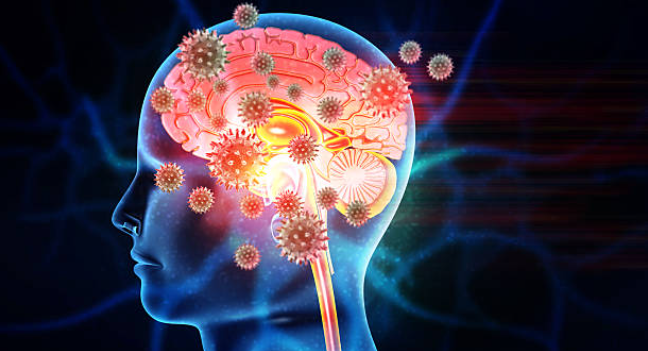
Meningococcal Meningitis: Symptoms, Causes, and Prevention
When experiencing a fever, headache, or fatigue, many people may assume they simply have a common cold. However, if these symptoms are accompanied by a stiff neck, vomiting, drowsiness, or rapidly worsening symptoms, they should not be overlooked, as they may indicate an infection affecting the brain and nervous system.
One condition that can cause these symptoms is meningococcal meningitis, a bacterial infection that can become severe within a short period.
Although this disease is not equally common in all regions, understanding its symptoms and preventive measures is essential, particularly for young children, individuals with weakened immune systems, and people who may be exposed to the bacteria through close contact with others.
This article explains how meningococcal meningitis develops, how it spreads, which symptoms to watch for, and what precautions can help reduce the risk of infection.
What Is Meningococcal Meningitis?
Meningococcal meningitis is a disease caused by a bacterium called Neisseria meningitidis, commonly known as meningococcus.
To understand this condition, it is helpful to know that the brain and spinal cord are surrounded by thin layers of protective tissue called the meninges. These membranes help protect the central nervous system.
When bacteria infect and inflame the meninges, patients may develop fever, severe headache, neck stiffness, or changes in awareness and consciousness.
Meningococcal bacteria can also cause bloodstream infections, which may affect the functioning of various organs.
Infections caused by this bacterium are collectively known as meningococcal disease. Some patients may develop both meningitis and a bloodstream infection at the same time.
However, not all cases of meningitis are caused by meningococcal bacteria. Inflammation of the meninges can also result from other infectious agents or noninfectious causes.
How Do Meningococcal Bacteria Enter the Body?
What many people may not realize is that meningococcal bacteria can live in the nose and throat of certain individuals without causing any symptoms.
These individuals are known as carriers, meaning they harbor the bacteria in their bodies without showing signs of illness.
Nevertheless, the bacteria can spread to other people through saliva or respiratory secretions.
What Activities May Increase the Risk of Transmission?
Transmission is generally associated with close contact with someone carrying the bacteria. Examples include:
- Kissing or direct contact with saliva.
- Sharing drinking glasses or items that come into contact with saliva.
- Living in the same household as an infected person.
- Exposure to respiratory secretions from coughing or sneezing at close range.
- Living or participating in activities in crowded environments for extended periods.
However, meningococcal bacteria do not spread as easily as some other respiratory pathogens. Simply walking past someone carrying the bacteria or briefly sharing the same space generally carries a lower risk than direct, close contact.
In some cases, the bacteria may enter the bloodstream and spread to the meninges, causing inflammation and subsequent illness.
Symptoms of Meningococcal Meningitis to Watch For
Symptoms of meningococcal meningitis can vary from person to person. Some individuals initially experience flu-like symptoms before developing more recognizable signs, while others may deteriorate rapidly.
Symptoms in Older Children and Adults
Possible symptoms include:
- High fever: Fever may develop suddenly and may be accompanied by chills.
- Severe headache: The headache may be significantly more intense than usual.
- Stiff neck: Patients may experience neck tightness or difficulty bending their head forward.
- Nausea or vomiting: These symptoms may occur alongside fever and headache.
- Sensitivity to light: Bright light may cause discomfort or eye pain.
- Unusual fatigue: Patients may feel extremely weak or struggle to perform normal activities.
- Drowsiness or confusion: Patients may respond more slowly than usual or display changes in behavior.
Importantly, patients do not necessarily experience every symptom. Some may not develop neck stiffness during the early stages of infection. Therefore, the presence or absence of individual symptoms alone should not be used to determine whether someone has the disease.
Symptoms in Infants and Young Children May Differ From Those in Adults
Recognizing meningococcal meningitis in infants can be more challenging because they cannot communicate headaches or describe where they feel discomfort.
Parents and caregivers should therefore watch for changes such as:
- Reduced feeding or refusal to breastfeed or take a bottle.
- Increased irritability or crying more than usual.
- Unusual drowsiness, reduced playfulness, or decreased movement.
- Difficulty waking the child or abnormal responsiveness.
- Vomiting.
- A bulging or tense fontanelle (the soft spot on an infant's head).
If a child develops these unusual symptoms, particularly when accompanied by fever or a worsening condition, prompt medical evaluation is recommended.
Why Does Meningococcal Meningitis Require Prompt Treatment?
What makes meningococcal infection particularly concerning is that it can progress rapidly and affect more than just the meninges.
If the bacteria spread into the bloodstream, the body may develop a severe response to infection, disrupting normal blood circulation and reducing blood supply to vital organs.
Some patients may develop complications such as:
- Reduced hearing or hearing loss.
- Seizures or neurological abnormalities.
- Memory and learning difficulties.
- A severe drop in blood pressure.
- Impaired kidney function.
- Tissue damage caused by problems with blood circulation.
These complications do not occur in every patient. However, their potential severity highlights why early diagnosis and immediate treatment are so important.
Warning Signs That Require Immediate Medical Attention
If bacterial meningitis is suspected, patients should not wait for symptoms to improve or attempt to treat the condition at home.
Immediate medical attention is especially important if any of the following symptoms occur:
- Fever accompanied by a severe headache and stiff neck.
- Noticeable drowsiness, confusion, or difficulty waking up.
- Seizures.
- Unusually rapid breathing or difficulty breathing.
- Cold hands and feet accompanied by weakness or a rapidly worsening physical condition.
- Small bleeding spots or a dark red to purple rash, particularly one that does not fade when pressed.
- Symptoms that change or worsen rapidly.
Important: Some patients may develop a purple rash or small bleeding spots when a severe bloodstream infection occurs. However, these signs do not appear in everyone and may develop only after the disease has progressed.
Therefore, patients should not wait for a rash or for every symptom to appear before going to the hospital. Any symptoms that raise suspicion of meningitis require immediate medical evaluation.
Who Is at Greater Risk of Meningococcal Infection?
Although meningococcal infection can affect people of all ages, certain groups should pay particular attention to preventive measures.
Infants and Young Children
Young children have immune systems that are not yet fully developed. In addition, their symptoms may be less recognizable than those seen in adults. Monitoring changes in behavior, feeding patterns, and alertness is therefore particularly important.
Adolescents and People Living in Shared Accommodation
Individuals living in dormitories, military barracks, or other environments where large groups of people remain in close contact may have increased exposure to respiratory secretions from others.
People With Weakened Immune Systems
Individuals with immune system disorders, including certain people living with HIV, may face an increased risk of severe meningococcal infection.
Travelers to High-Risk Areas
Meningococcal disease outbreaks occur more frequently in some countries than in others, particularly in parts of Africa known as the African Meningitis Belt.
People planning to travel to these areas should consult a healthcare professional about whether meningococcal vaccination is recommended before departure.
People Who Have Had Close Contact With an Infected Person
Household members and individuals who have had direct contact with an infected person's saliva may be at greater risk than those with casual exposure. They should be evaluated to determine whether preventive antibiotics are necessary.
How Is Meningococcal Meningitis Diagnosed?
Symptoms such as fever, headache, and vomiting can occur in many different illnesses. Therefore, physicians must perform additional examinations and tests to identify the underlying cause.
Diagnosis may generally involve the following procedures.
Medical History and Physical Examination
The physician will ask about the patient's symptoms, when the illness began, and any history of contact with an infected person. The examination will also include an assessment of consciousness and possible neurological abnormalities.
Blood Tests
Blood tests help evaluate signs of infection and organ function. They may also be used to detect bacteria in the bloodstream.
Cerebrospinal Fluid Examination
The physician may collect a sample of cerebrospinal fluid, the fluid surrounding the brain and spinal cord, to investigate whether inflammation or infectious organisms are present.
Specific Laboratory Tests for Identifying the Bacteria
In some cases, bacterial cultures or molecular tests, such as polymerase chain reaction (PCR), may be used to help confirm the cause of the infection.
If a physician suspects a severe bacterial infection, treatment may begin immediately without waiting for all test results. Prompt treatment is essential to protecting the patient's health and safety.
How Is Meningococcal Meningitis Treated?
Meningococcal meningitis requires hospital treatment under medical supervision. The treatment approach depends on the patient's symptoms, disease severity, age, underlying medical conditions, and overall health.
Antibiotic Treatment
Because meningococcal meningitis is caused by bacteria, antibiotics are the primary treatment.
Physicians may administer intravenous antibiotics as soon as the disease is suspected and subsequently adjust the medication based on laboratory results and the patient's clinical condition.
Patients should not purchase or take antibiotics without medical guidance. This infection may require close monitoring, and the choice of antibiotics must be appropriate for the bacteria involved and the patient's health status.
Supportive Care and Management of Complications
In addition to antibiotics, physicians may provide supportive treatments such as:
- Intravenous fluids when necessary.
- Respiratory support and oxygen therapy.
- Management of seizures.
- Monitoring of blood pressure and circulation.
- Regular assessment of vital organ function.
Patients with severe symptoms may require treatment in an intensive care unit (ICU).
Follow-Up Care After Recovery
Even after the infection has been treated, some patients may experience ongoing health effects that require further monitoring.
Physicians may recommend hearing tests, neurological assessments, or rehabilitation services, depending on the patient's condition.
Children who have recovered from meningococcal meningitis may also require follow-up assessments of their development and learning abilities to ensure they receive appropriate care.
How to Prevent Meningococcal Infection in Daily Life
Preventing meningococcal infection involves several approaches, including reducing exposure to the bacteria, maintaining good hygiene, and receiving recommended vaccinations when indicated.
1. Avoid Sharing Items That Come Into Contact With Saliva
Individuals should use their own drinking glasses and toothbrushes and avoid direct contact with saliva or respiratory secretions from anyone suspected of having the infection.
If someone in the household has meningococcal disease, family members should follow healthcare professionals' recommendations for preventing transmission.
2. Maintain Good Hygiene
Regular handwashing, covering the mouth and nose when coughing or sneezing, and ensuring adequate ventilation in living spaces are practices that can help reduce exposure to respiratory pathogens in general.
However, these measures cannot replace vaccination or preventive antibiotic treatment when medically indicated for individuals at risk.
3. Consult a Healthcare Professional About Meningococcal Vaccination
Vaccination is an important measure for reducing the risk of infection caused by certain groups of meningococcal bacteria.
Different meningococcal vaccines are available, including:
- MenACWY: Protects against meningococcal serogroups A, C, W, and Y.
- MenB: Protects against meningococcal serogroup B.
- Men5CV: Covers serogroups A, C, W, Y, and X and is used according to vaccination guidelines in certain countries.
Meningococcal vaccination does not prevent meningitis caused by every possible pathogen, and individual meningococcal vaccines do not cover all meningococcal serogroups.
Therefore, people with certain underlying medical conditions, occupational or residential exposure risks, or plans to travel to outbreak-prone areas should consult a physician to determine which vaccine is appropriate.
4. Seek Medical Evaluation After Close Contact With an Infected Person
If someone in the household or a close contact has been diagnosed with meningococcal disease, individuals who may have been exposed should contact a healthcare facility promptly, even if they do not have symptoms.
A physician may recommend preventive antibiotics for close contacts considered at risk, without waiting for symptoms to develop.
This preventive treatment differs from taking antibiotics independently, as a healthcare professional must assess the nature of the exposure and select the appropriate medication.
When Should You Consult a Doctor?
In addition to individuals experiencing symptoms, certain people should seek medical advice even when they feel well. These situations include:
- Having a family member diagnosed with meningococcal infection.
- Having direct contact with an infected person's saliva or respiratory secretions.
- Having an underlying medical condition or a weakened immune system.
- Planning to travel to an area experiencing a meningococcal disease outbreak.
- Planning to live in a crowded environment and wanting to assess the need for vaccination.
- Having previously experienced meningitis and continuing to have hearing difficulties, memory problems, or impaired physical function after treatment.
Anyone experiencing symptoms suggestive of meningitis, particularly fever accompanied by a severe headache, stiff neck, drowsiness, or confusion, should go to the hospital immediately rather than waiting for a routine medical appointment.
Conclusion
Meningococcal meningitis is a bacterial infection that causes inflammation of the membranes surrounding the brain and spinal cord. In some cases, it may also occur alongside a bloodstream infection.
Symptoms to watch for include fever, severe headache, stiff neck, vomiting, and changes in consciousness. The specific symptoms may vary depending on the patient's age and overall health.
Preventive measures include minimizing exposure to respiratory secretions from infected individuals, maintaining good hygiene, and consulting a healthcare professional about appropriate vaccination. People who have had close contact with an infected patient should also be evaluated to determine whether preventive antibiotics are necessary.
Most importantly, anyone with symptoms suggestive of meningitis should seek medical attention immediately. Early diagnosis and appropriate treatment can help reduce the risk of severe complications.
Prepared by: ภญ. ปุณยนุช อังคะนาวิน
References
- World Health Organization (WHO). Meningitis
- Centers for Disease Control and Prevention (CDC). Meningococcal Disease Symptoms and Complications
- Centers for Disease Control and Prevention (CDC). Clinical Guidance for Meningococcal Disease