 TH
 EN
 CN
 JAP
 AR
Varicose Veins: Causes, Symptoms, and Treatment Options
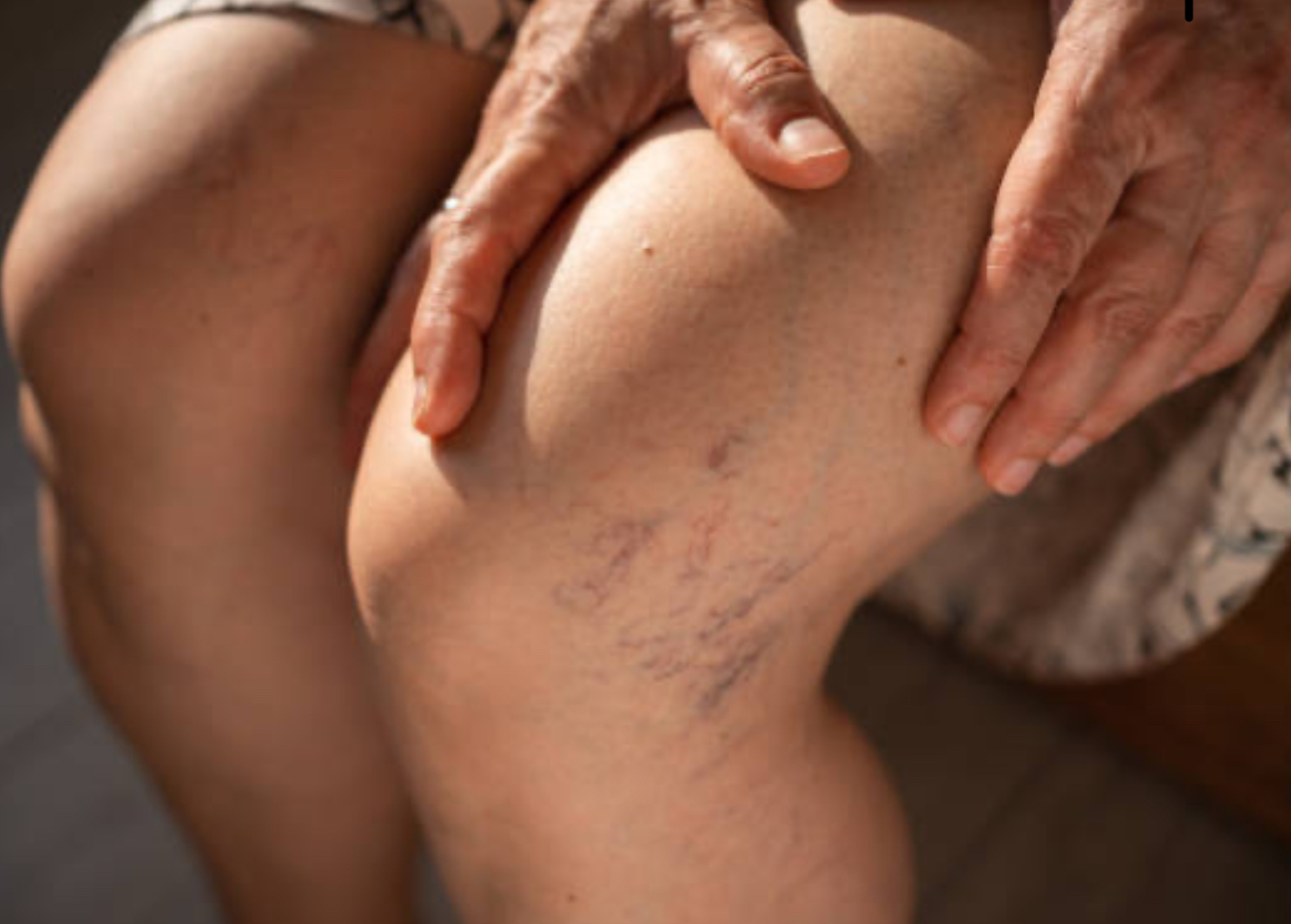
Varicose veins are a common condition, particularly affecting the legs and calves. They are characterized by enlarged, swollen, and twisted veins that appear beneath the skin, often with a dark purple or blue discoloration. For some individuals, varicose veins are primarily a cosmetic concern, while others may experience aching, heaviness, swelling, or discomfort in the legs after prolonged periods of standing or sitting.
Although most cases of varicose veins do not cause serious health problems, some may be associated with chronic venous circulation disorders. Without appropriate evaluation and care, these conditions can lead to skin changes, chronic leg ulcers, or other complications.
Understanding the causes, risk factors, and available treatments for varicose veins is therefore important, particularly for individuals whose work involves prolonged standing or sitting, older adults, and those with a family history of the condition.
What Are Varicose Veins?
Varicose veins occur when veins become abnormally enlarged, swollen, and twisted. They most commonly affect superficial veins located close to the skin, particularly in the legs, where blood must flow upward against gravity to return to the heart.
Under normal circumstances, veins contain one-way valves, known as venous valves, that regulate blood flow toward the heart and prevent blood from flowing backward and pooling in the legs.
When the vein walls or valves become weakened or function improperly, blood may flow backward and accumulate within the veins. This increases venous pressure, causing the veins to enlarge, bulge, and develop into varicose veins.
Varicose veins differ from spider veins, which are smaller, web-like blood vessels that appear as red, blue, or purple lines near the surface of the skin. Spider veins generally do not cause serious health problems, although they may sometimes occur alongside underlying venous disorders.
Why Are Varicose Veins Important to Health?
Varicose veins are more than a cosmetic concern, as impaired venous circulation can affect overall health and daily activities.
Some individuals with varicose veins experience aching, heaviness, or swelling around the ankles and lower legs, particularly in the evening or after remaining in the same position for extended periods. These symptoms may interfere with work, exercise, and everyday activities.
Persistently elevated pressure within the venous system can also lead to changes in the skin of the lower legs, including darkening, dryness, itching, or inflammation known as venous eczema.
In some patients with chronic venous insufficiency, ulcers may develop on the lower legs, particularly around the ankles. These ulcers may heal slowly and can recur.
Additionally, some individuals may develop superficial vein inflammation accompanied by blood clots or experience bleeding from veins close to the skin. Although serious complications are uncommon, unusual symptoms should be evaluated by a healthcare professional.
Causes and Risk Factors of Varicose Veins
The primary causes of varicose veins involve dysfunction of the venous valves and weakening of the vein walls, allowing blood to flow backward and accumulate within the veins.
Several factors may increase the likelihood of developing varicose veins.
1. Increasing Age
As people age, the walls and valves of their veins may naturally deteriorate, reducing their ability to regulate blood flow effectively. Consequently, varicose veins become more common among older adults.
2. Genetics and Family History
Individuals with a family history of varicose veins may have an increased risk of developing the condition, as genetic factors can influence the structure and function of the veins.
3. Prolonged Standing or Sitting
Remaining in the same position for extended periods, particularly while standing, can increase blood pooling in the legs and place additional pressure on the venous system.
People whose occupations require prolonged standing or sitting, such as office workers, nurses, sales personnel, and factory workers, should therefore make an effort to move regularly throughout the day.
4. Being Overweight or Obese
Excess body weight can increase pressure on the veins in the legs, making it more difficult for blood to return to the heart and increasing the risk of developing varicose veins.
5. Pregnancy
During pregnancy, blood volume increases, and hormonal changes may affect the walls of the veins. In addition, the growing uterus can place additional pressure on blood vessels in the pelvis, making it more difficult for blood to flow back from the legs.
Some pregnancy-related varicose veins may improve after childbirth, while others may persist.
6. Sex and Hormonal Changes
Women are more likely than men to develop varicose veins. Hormonal changes at different stages of life may influence the elasticity and function of vein walls.
7. History of Deep Vein Thrombosis
Individuals who have previously experienced deep vein thrombosis (DVT) may have damage to their venous valves, potentially resulting in backward blood flow and chronically elevated venous pressure.
However, having one or more risk factors does not necessarily mean that a person will develop varicose veins. The condition can also occur in individuals without any obvious risk factors.
Symptoms of Varicose Veins to Watch For
Symptoms of varicose veins vary from person to person. Some individuals experience no noticeable symptoms, while others may develop discomfort that affects their daily lives.
Common symptoms include:
- Visible enlarged, bulging, or twisted veins in the legs
- Dark purple or blue veins beneath the skin
- Aching or heaviness in the legs, particularly after prolonged standing
- Swelling around the ankles or lower legs
- A feeling of tightness or discomfort in the legs
- Itching of the skin over the affected veins
- Dry skin or changes in skin pigmentation on the legs
- Symptoms that may improve with rest or leg elevation
In some cases, leg pain or swelling may be caused by conditions unrelated to varicose veins, such as disorders affecting the muscles, joints, lymphatic system, or blood vessels. Therefore, symptoms alone should not be used to make a self-diagnosis.
Complications of Varicose Veins
Although most people with varicose veins do not develop serious complications, some may experience health problems associated with chronically impaired venous circulation.
1. Venous Eczema
Persistent blood pooling and elevated venous pressure can cause inflammation of the skin on the lower legs, resulting in itching, dryness, scaling, or darkened skin.
2. Chronic Leg Ulcers
Individuals with chronic venous insufficiency may develop ulcers on the lower legs, particularly around the ankles. These ulcers can take a long time to heal and may require ongoing medical care.
3. Superficial Vein Thrombosis and Inflammation
Some patients may develop blood clots in superficial veins, causing the affected veins to become hard, tender, swollen, or red. Medical evaluation is recommended to distinguish this condition from deep vein thrombosis.
4. Bleeding from Varicose Veins
Varicose veins located very close to the skin may bleed following an injury. In some cases, even minor trauma can cause bleeding.
If bleeding occurs, apply continuous pressure to the affected area using a clean cloth and elevate the leg. If the bleeding does not stop or is excessive, seek immediate medical attention.
When Should You Seek Urgent Medical Attention?
Individuals with varicose veins should remain alert to unusual symptoms that may indicate complications or other vascular conditions.
Symptoms requiring urgent medical evaluation include:
- Sudden swelling in one leg, particularly when accompanied by pain, warmth, or redness
- Unusually severe leg pain
- Veins that become hard, painful, or noticeably inflamed
- Bleeding from varicose veins
- Worsening leg ulcers or signs of infection
- Sudden shortness of breath, chest pain, or coughing up blood, which may indicate a pulmonary embolism
If you experience sudden difficulty breathing, chest pain, fainting, or symptoms suggestive of a pulmonary embolism, seek emergency medical attention immediately.
How Are Varicose Veins Diagnosed?
Diagnosis typically begins with a review of the patient’s medical history and a physical examination. The physician may assess the appearance of the veins, leg pain, swelling, skin changes, and relevant risk factors.
In some cases, patients may be asked to stand during the examination to make the affected veins more visible.
Venous Duplex Ultrasound
Duplex ultrasound is an imaging technique that uses sound waves to evaluate the structure of the veins and the flow of blood within them.
This examination helps physicians determine:
- Whether the venous valves are functioning properly
- Whether blood is flowing backward within the veins
- Which sections of the venous system are affected
- Whether blood clots are present and require further evaluation
- Which treatment approach may be most appropriate
Ultrasound assessment is particularly important for individuals whose symptoms interfere with daily activities, those experiencing complications, or those being considered for interventional treatment.
Treatment Options for Varicose Veins
Treatment depends on the severity of the condition, the patient’s symptoms, the location of the affected veins, underlying medical conditions, and the results of a clinical assessment.
Individuals with asymptomatic varicose veins may not necessarily require interventional treatment. However, those experiencing pain, swelling, skin changes, or complications may benefit from specialized care.
1. Lifestyle Changes and Self-Care
Lifestyle modifications may help reduce aching and swelling associated with varicose veins. Recommended measures include:
- Avoiding prolonged standing or sitting in the same position
- Walking or moving the ankles regularly throughout the day
- Exercising regularly according to individual ability
- Maintaining a healthy body weight
- Elevating the legs while resting to help reduce blood pooling
Although lifestyle changes can help relieve symptoms, they may not restore enlarged or damaged veins to their original condition.
2. Medical Compression Stockings
Medical compression stockings are designed to apply external pressure to the legs, helping improve venous blood flow back toward the heart.
Compression stockings may reduce swelling and feelings of heaviness in some patients. However, they do not directly correct malfunctioning venous valves.
The type, size, and compression level should be selected with guidance from a healthcare professional, particularly for individuals with peripheral arterial disease or other circulatory problems.
For patients who are suitable candidates for interventional treatment, physicians may recommend procedures that directly address the affected veins rather than relying solely on compression stockings as the primary treatment.
3. Endothermal Ablation
Endothermal ablation is a minimally invasive treatment that uses heat energy to close malfunctioning veins.
Common techniques include:
- Endovenous Laser Ablation (EVLA)
- Radiofrequency Ablation (RFA)
These procedures are generally performed under ultrasound guidance, with local anesthesia used when appropriate.
Once the affected vein has been closed, blood is redirected through other healthy veins that can maintain normal circulation.
4. Sclerotherapy
Sclerotherapy involves injecting a specialized solution into an affected vein, causing it to close.
In some cases, the treatment may involve a foam-based solution administered under ultrasound guidance, known as ultrasound-guided foam sclerotherapy.
This approach may be suitable for certain types of varicose veins or when heat-based treatments are not appropriate. The choice depends on the location, size, and characteristics of the affected veins.
5. Surgical Treatment
Surgery may be considered for certain patients, particularly when other treatment methods are unsuitable.
Surgical options may include tying off and removing affected veins or removing sections of varicose veins through small incisions.
Before proceeding, the physician will discuss the benefits, limitations, and potential risks of each treatment option with the patient.
Self-Care Measures and Ways to Reduce the Risk of Varicose Veins
Although varicose veins cannot always be prevented, certain lifestyle habits may help support healthy blood circulation and relieve associated symptoms.
Stay Physically Active
Walking, ankle movements, and exercises that engage the calf muscles help these muscles act as a pump, supporting blood flow from the legs back toward the heart.
Individuals who spend long hours sitting at work should stand up, change positions, or take short walks at appropriate intervals.
Avoid Remaining in the Same Position for Too Long
Prolonged standing or sitting can increase blood pooling in the legs. Changing positions and moving regularly throughout the day may help reduce this effect.
Elevate Your Legs While Resting
Elevating the legs during rest may help reduce venous pressure and relieve swelling in some individuals.
Maintain a Healthy Weight
Keeping body weight within a healthy range helps reduce strain on the circulatory system and supports overall health.
Take Care of the Skin on Your Legs
Individuals experiencing dry or itchy skin associated with venous disorders should keep their skin moisturized and avoid scratching or injuring areas affected by varicose veins.
If skin inflammation worsens, ulcers develop, or skin discoloration occurs, medical evaluation is recommended to identify the underlying cause.
Avoid Smoking
Smoking negatively affects vascular health and blood circulation. Quitting smoking is therefore an important part of maintaining overall cardiovascular and vascular health.
How Should Varicose Veins Be Managed During Pregnancy?
Varicose veins may develop or worsen during pregnancy due to hormonal changes, increased blood volume, and pressure from the growing uterus.
Pregnant individuals with varicose veins may initially manage their symptoms by avoiding prolonged standing, elevating their legs while resting, and engaging in appropriate physical activity as recommended by their physician.
Medical compression stockings may also help relieve symptoms, but they should be selected and used under the guidance of a healthcare professional.
In general, interventional procedures and surgery for varicose veins are not considered first-line treatment options during pregnancy unless medically necessary.
Some pregnancy-related varicose veins may improve after childbirth. However, if symptoms persist or unusual changes occur, further medical evaluation is recommended.
Who Should Consult a Healthcare Professional?
Individuals with varicose veins should seek medical advice if they experience any of the following:
- Aching, heaviness, or swelling in the legs that interferes with daily activities
- Varicose veins that become larger or increasingly symptomatic
- Skin discoloration, itching, or inflammation on the legs
- Lower-leg ulcers that do not heal within two weeks
- A history of chronic ulcers caused by venous disorders
- Hard, painful veins in the legs that may indicate superficial vein inflammation
- A previous history of venous thrombosis
- Underlying medical conditions that may affect blood circulation
- A need to assess suitability for medical compression stockings or interventional treatment
Seeking medical evaluation when unusual symptoms first appear allows physicians to assess the severity of the condition and recommend an appropriate management plan tailored to each patient.
Conclusion
Varicose veins are a condition in which veins become enlarged, swollen, and twisted due to abnormalities in venous valve function and blood flow back toward the heart. They most commonly occur in the legs and calves.
Major risk factors include increasing age, genetics, pregnancy, excess body weight, and prolonged standing or sitting. Some individuals may have no symptoms, while others experience aching, heaviness, swelling, or changes in the skin.
Although most cases of varicose veins do not cause serious health problems, worsening symptoms or complications such as chronic ulcers, vein inflammation, or bleeding should prompt medical evaluation.
Management options range from lifestyle modifications, regular exercise, and appropriately prescribed compression stockings to treatments such as laser ablation, radiofrequency ablation, sclerotherapy, and surgery.
The most suitable treatment depends on each individual’s symptoms, disease severity, and clinical findings. Maintaining healthy habits and seeking medical attention when unusual symptoms arise are essential steps in minimizing the impact of varicose veins on health and quality of life.
Prepared by: ภญ. ปุณยนุช อังคะนาวิน
References
- National Health Service (NHS). Varicose veins
- Mayo Clinic. Varicose veins: Diagnosis and treatment
- National Institute for Health and Care Excellence (NICE). Varicose veins: diagnosis and management (CG168)