 TH
 EN
 CN
 JAP
 AR
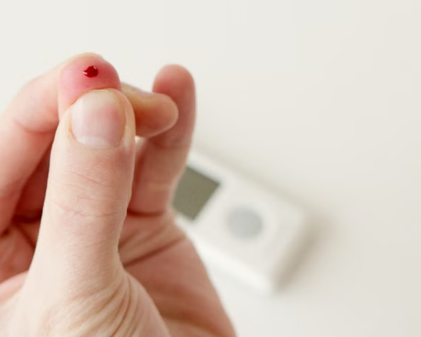
Hemophilia: Symptoms, Causes, Genetic Inheritance, and Treatment Options
Hemophilia is a rare bleeding disorder that can significantly affect a person's health and quality of life, particularly following an injury, surgery, or internal bleeding. The condition occurs when the blood clotting process does not function properly, causing bleeding to continue longer than normal.
Although most cases of hemophilia are inherited and the condition primarily affects males, females can also experience symptoms. The severity varies from person to person. Some individuals experience abnormal bleeding only after an injury, while others may develop spontaneous bleeding into their joints or muscles without an obvious cause.
Understanding the causes, warning signs, and available treatments for hemophilia can help patients and their families manage the condition, reduce the risk of complications, and seek appropriate medical care.
What Is Hemophilia?
Hemophilia is a bleeding disorder caused by a deficiency or reduced activity of certain proteins known as clotting factors. These proteins work together to form blood clots and stop bleeding when an injury occurs.
When certain clotting factors are insufficient, the blood clotting process becomes impaired. As a result, individuals with hemophilia may bleed longer than usual and may experience bleeding inside the body.
Hemophilia is primarily classified into two types:
1. Hemophilia A
Hemophilia A occurs when the body lacks sufficient clotting Factor VIII or when its activity is lower than normal. It is the most common type of hemophilia.
2. Hemophilia B
Hemophilia B occurs when the body lacks sufficient clotting Factor IX or when its activity is lower than normal. It is less common than Hemophilia A but produces similar symptoms.
Both types can be classified according to the amount of functional clotting factor present in the blood. Individuals with extremely low clotting factor levels are generally more likely to experience spontaneous bleeding without an injury.
Why Is Hemophilia a Serious Health Concern?
The significance of hemophilia extends beyond prolonged bleeding from external wounds. The condition can also cause internal bleeding, which may not always be immediately noticeable.
Common sites of internal bleeding include the knees, ankles, elbows, and muscles. Repeated bleeding into the joints can lead to inflammation of the joint lining, cartilage damage, and chronic joint deterioration, potentially affecting mobility over time.
Bleeding in critical areas, such as the brain, throat, or locations where accumulated blood may compress nerves and blood vessels, requires urgent medical evaluation and treatment.
Nevertheless, many individuals with hemophilia can attend school, work, exercise, and maintain a lifestyle similar to that of people without the condition, provided they receive appropriate ongoing treatment and preventive care.
Causes of Hemophilia
Most cases of hemophilia result from genetic abnormalities that affect the production of clotting factors. The genes associated with Hemophilia A and Hemophilia B are located on the X chromosome.
Genetic Inheritance
Hemophilia A and Hemophilia B follow an X-linked inheritance pattern, which can be explained as follows:
- Males: Males have only one X chromosome. If they inherit an X chromosome carrying a disease-causing genetic variant, they may develop hemophilia.
- Females: Females have two X chromosomes. Those who carry a genetic variant on one X chromosome may be carriers and may also experience abnormal bleeding. Some may have clotting factor levels low enough to meet the diagnostic criteria for hemophilia.
- Carrier mothers: In each pregnancy, a son has a 50% chance of inheriting the genetic variant and developing hemophilia, while a daughter has a 50% chance of inheriting the variant and becoming a carrier.
- Affected fathers: Fathers with hemophilia pass their affected X chromosome to all their daughters but do not pass their X chromosome to their sons.
However, some patients have no family history of hemophilia because a genetic variant can arise spontaneously.
Acquired Hemophilia
In addition to inherited hemophilia, there is a condition known as Acquired Hemophilia A. This occurs when the immune system produces antibodies that interfere with the activity of Factor VIII.
This rare condition may develop in adults who have never experienced abnormal bleeding before. It may be associated with autoimmune disorders, pregnancy or the postpartum period, certain cancers, or occur without an identifiable cause.
The diagnosis and treatment of acquired hemophilia differ from those of inherited hemophilia.
Severity Levels of Hemophilia
Doctors classify hemophilia according to the activity level of the affected clotting factor.
| Severity | Clotting Factor Activity | Typical Symptoms |
|---|---|---|
| Mild | Greater than 5% but less than 40% | Abnormal bleeding usually occurs after surgery, tooth extraction, or significant injury. |
| Moderate | 1–5% | Bleeding may occur after minor injuries, and some individuals may experience spontaneous bleeding. |
| Severe | Less than 1% | Spontaneous bleeding into joints or muscles may occur without any apparent injury. |
Clotting factor activity helps physicians determine the severity of the condition and develop an appropriate treatment plan. However, actual bleeding patterns may vary among individuals.
Symptoms of Hemophilia to Watch For
The primary signs of hemophilia include prolonged bleeding and internal bleeding. The frequency and severity of symptoms depend on the activity level of the affected clotting factor.
Common Bleeding Symptoms
- Bleeding from wounds that continues longer than normal.
- Excessive or prolonged bleeding after tooth extraction, surgery, or medical procedures.
- Easy bruising or the formation of hematomas.
- Bleeding into the joints, causing swelling, pain, warmth, or restricted movement.
- Bleeding into muscles, resulting in pain, swelling, or tightness.
- Blood in the urine or stool in some cases.
- Frequent or prolonged nosebleeds in some patients.
These symptoms do not necessarily indicate hemophilia, as they may also be associated with other bleeding disorders or medical conditions.
Symptoms of Hemophilia in Children
Children with severe hemophilia may begin showing symptoms during infancy or when they start crawling and walking. Possible signs include:
- Large or frequently recurring bruises.
- Unusual bleeding after injections or medical procedures.
- Joint swelling or pain without an obvious injury.
- Reluctance to put weight on one leg or use one arm.
- Unusual irritability or persistent crying caused by pain that the child cannot yet communicate.
If a child has a family history of hemophilia, parents should inform the healthcare team from birth so that appropriate screening and care can be arranged.
When Should Someone With Hemophilia Seek Emergency Medical Care?
Individuals with hemophilia should receive urgent medical evaluation whenever bleeding is suspected in a critical area, particularly in the following situations:
- Head injury: Even without noticeable symptoms, patients should immediately contact their healthcare team or visit a hospital because intracranial bleeding may occur.
- Severe or unusual headache: Particularly when accompanied by vomiting, drowsiness, confusion, seizures, or weakness in the arms or legs.
- Bleeding in the throat or mouth: Especially when associated with difficulty swallowing, changes in the voice, or breathing difficulties.
- Severe joint or muscle pain: Particularly when swelling increases or is accompanied by numbness or difficulty moving.
- Heavy or uncontrollable bleeding: Bleeding that continues despite initial first aid measures.
- Severe abdominal or back pain: Especially when accompanied by dizziness, weakness, or other signs suggesting internal bleeding.
Anyone experiencing these symptoms should seek emergency medical attention immediately. Patients who have an established emergency treatment plan or access to clotting factor replacement products should follow their physician's instructions without waiting for symptoms to become severe.
How Is Hemophilia Diagnosed?
Diagnosing hemophilia involves reviewing the patient's medical history, conducting a physical examination, and performing specialized blood tests. These assessments help evaluate the blood clotting system and distinguish hemophilia from other bleeding disorders.
1. Medical History and Physical Examination
The physician will ask about previous episodes of abnormal bleeding, easy bruising, excessive bleeding after surgery or tooth extraction, and any family history of similar symptoms.
A physical examination may also be performed to identify abnormalities in the joints, muscles, or other areas where internal bleeding is suspected.
2. Initial Blood Tests
Relevant laboratory tests include:
- Complete Blood Count (CBC): Measures blood cell and platelet counts to assess anemia and other potential abnormalities.
- Activated Partial Thromboplastin Time (aPTT): Evaluates part of the blood clotting system and may show abnormal results in individuals with hemophilia.
- Prothrombin Time (PT): Evaluates another component of the blood clotting system. PT results are typically normal in patients with Hemophilia A or Hemophilia B.
However, some individuals with mild hemophilia may have normal aPTT results. Therefore, initial blood tests alone cannot reliably rule out the condition.
3. Clotting Factor Activity Tests
These tests are essential for confirming hemophilia. They measure the activity levels of Factor VIII and Factor IX to determine the type and severity of the disorder.
4. Genetic Testing
Doctors may recommend genetic testing to identify the underlying genetic variant, confirm carrier status among family members, and support genetic counseling.
This type of testing is particularly valuable for families with a history of hemophilia and individuals planning to have children.
Treatment Options for Hemophilia
Advances in medical care have significantly improved the management and prevention of bleeding episodes in people with hemophilia. Treatment decisions depend on the type and severity of the disorder, bleeding history, age, complications, and individual medical needs.
1. Clotting Factor Replacement Therapy
Clotting factor replacement is a major treatment option for Hemophilia A and Hemophilia B. It involves administering the missing clotting factor intravenously.
- Patients with Hemophilia A receive Factor VIII.
- Patients with Hemophilia B receive Factor IX.
Treatment may be administered when bleeding occurs or regularly as part of a preventive treatment plan.
Clotting factor products include plasma-derived and recombinant products, as well as extended half-life formulations that may reduce the frequency of treatment in some patients.
2. Prophylactic Treatment
Prophylactic treatment is an important strategy for individuals at high risk of bleeding, particularly those with severe hemophilia.
Its primary goals are to reduce the frequency of bleeding episodes, prevent joint damage, and improve long-term quality of life.
The treating physician determines the most appropriate medication and treatment schedule based on each patient's individual needs.
3. Medications That Support Blood Clotting
Certain patients may receive additional medications to help prevent or control bleeding, including:
Desmopressin (DDAVP)
Desmopressin may be used in selected patients with mild Hemophilia A. It works by stimulating the release of stored Factor VIII into the bloodstream.
This medication is not suitable for all patients and is not used to treat Hemophilia B. A physician must assess the patient's response and potential risks before prescribing it.
Tranexamic Acid
Tranexamic acid helps prevent the breakdown of blood clots. It may be used alongside primary treatment to manage bleeding from mucosal surfaces, such as inside the mouth, or as part of care before and after certain medical procedures.
Its use should be supervised by a physician because specific precautions are necessary for some patients.
4. Non-Factor Replacement Therapies
Newer treatments have been developed to help prevent bleeding through mechanisms other than direct clotting factor replacement. One example is Emicizumab, a medication that mimics certain functions of Factor VIII within the blood clotting process.
This medication is used to prevent bleeding in eligible patients with Hemophilia A, including some individuals who have developed inhibitors against Factor VIII.
However, Emicizumab does not replace emergency bleeding treatment in every situation and is not a treatment for Hemophilia B.
Other preventive medications have also been developed or approved in certain countries. Treatment selection depends on approved indications, potential risks, and access to care in each location.
5. Gene Therapy
Gene therapy is an emerging treatment approach designed to increase the body's ability to produce clotting factors by introducing genetic material into target cells.
In some patients, this treatment may increase clotting factor activity and reduce the need for regular replacement therapy.
However, gene therapy has several limitations:
- It is not suitable for every patient.
- Liver health and other medical eligibility criteria must be assessed before treatment.
- Side effects may occur and require close monitoring.
- Treatment effectiveness and durability may vary among individuals.
- Long-term follow-up is necessary.
Gene therapy must therefore be carefully considered by specialist physicians and should not be regarded as a guaranteed cure for hemophilia.
Complications of Hemophilia
Without appropriate care, hemophilia may cause complications that affect long-term health and quality of life.
1. Joint Damage From Repeated Bleeding
Repeated bleeding into the joints can cause chronic inflammation and damage to joint structures, leading to pain, stiffness, and restricted mobility.
2. Bleeding Into Muscles
Blood accumulating within muscle tissue may cause pain and swelling and can compress nearby nerves or blood vessels. Without prompt treatment, this may impair the function of the affected area.
3. Intracranial Bleeding
Bleeding inside the skull is a serious complication that can be life-threatening. Patients who develop unusual neurological symptoms or experience a head injury should receive immediate medical evaluation.
4. Development of Clotting Factor Inhibitors
Some patients develop antibodies known as inhibitors, which interfere with the clotting factor products administered during treatment. As a result, standard factor replacement therapy may become less effective.
Doctors may need to modify the treatment plan and perform additional blood tests to monitor the condition.
Self-Care Recommendations for People With Hemophilia
Although inherited hemophilia cannot be prevented through lifestyle changes, appropriate daily care can help reduce bleeding episodes and associated complications.
Exercise Appropriately
Patients should choose activities that strengthen muscles and support joint health while minimizing injury risks. Suitable examples may include swimming, walking, or cycling in a safe environment.
Patients should consult their physician or physical therapist before beginning a new activity, particularly if they have a history of joint bleeding or joint damage.
Prevent Accidents and Injuries
Creating a safe home environment, removing tripping hazards, and using protective equipment during potentially risky activities can help reduce the likelihood of injury.
For children, parents should encourage age-appropriate physical activities while prioritizing safety. It is not necessary to restrict every type of movement.
Maintain Good Oral Health
Proper toothbrushing and regular dental examinations help prevent oral health problems that might otherwise require invasive dental procedures.
Before tooth extraction or oral surgery, patients should inform their dentist about their hemophilia diagnosis so that treatment can be coordinated with their healthcare team.
Use Medications With Caution
Certain medications may increase bleeding risk, including Aspirin and some nonsteroidal anti-inflammatory drugs (NSAIDs).
Patients should consult their physician or pharmacist before taking pain relievers, anti-inflammatory medications, dietary supplements, or herbal products. Medications prescribed by a physician should not be discontinued without medical advice.
Attend Regular Medical Follow-Ups
Regular medical appointments are essential for monitoring clotting factor activity, assessing joint health, screening for clotting factor inhibitors when indicated, and adjusting treatment plans as needed.
Patients should also carry information about their condition and emergency treatment plan so that healthcare professionals can provide timely and appropriate care in the event of an accident.
Can Hemophilia Be Prevented?
Inherited hemophilia cannot be prevented through diet, exercise, vitamins, or dietary supplements.
However, families with a history of hemophilia can seek genetic counseling to assess the likelihood of passing the condition to their children and explore appropriate genetic testing options.
For individuals already diagnosed with hemophilia, consistent preventive treatment and measures to reduce injury risks can help minimize complications and support a better quality of life.
Who Should Consult a Doctor About Hemophilia?
Medical evaluation is recommended for:
- Individuals who experience unexplained abnormal bleeding or prolonged bleeding.
- People who frequently develop unusually large bruises.
- Individuals who experience excessive bleeding after tooth extraction, surgery, or injury.
- Children who develop unexplained joint swelling, joint pain, or unusual bruising.
- People with a family history of hemophilia.
- Women who suspect they may be carriers and experience abnormal bleeding symptoms.
- Couples with a family history of hemophilia who are planning to have children.
- Patients with hemophilia who experience more frequent bleeding episodes or notice that their current treatment has become less effective.
Consultation with a hematologist can help ensure accurate diagnosis and appropriate management.
Frequently Asked Questions About Hemophilia
Can Hemophilia Be Completely Cured?
There is currently no treatment that guarantees a complete cure for all patients with inherited hemophilia. However, modern therapies can effectively prevent and control bleeding. Gene therapy may also reduce the need for ongoing treatment in selected patients.
Does Hemophilia Affect Only Males?
No. Although Hemophilia A and Hemophilia B are more common in males, females may also experience abnormal bleeding as carriers or be diagnosed with hemophilia themselves.
Is Hemophilia Contagious?
Hemophilia is not a contagious disease. It cannot spread from person to person through physical contact, living together, or sharing meals.
Can People With Hemophilia Exercise?
Yes. People with hemophilia can exercise, provided they choose activities appropriate for their physical condition and bleeding risk. Suitable exercise can strengthen muscles and support joint health. However, activities involving a high risk of significant impact or injury should be avoided unless assessed by the healthcare team.
Does Hemophilia Reduce Life Expectancy?
Without appropriate treatment, severe bleeding complications can affect overall health and life expectancy. However, advances in medical treatment and ongoing care have enabled many people with hemophilia to enjoy better quality of life and longer life expectancy.
Conclusion
Hemophilia is a bleeding disorder that is primarily caused by inherited genetic abnormalities. It results in a deficiency of clotting Factor VIII or Factor IX, leading to impaired blood clotting and prolonged bleeding. The condition may also cause bleeding into the joints, muscles, or vital organs.
Symptoms and disease severity vary among individuals. Early diagnosis and appropriate treatment are essential for reducing complications, particularly long-term joint damage caused by repeated bleeding.
Today, several treatment options are available, including clotting factor replacement therapy, prophylactic treatment, and newer therapeutic approaches for eligible patients.
Individuals who experience abnormal bleeding or have a family history of hemophilia should consult a physician for appropriate evaluation. Patients already diagnosed with the condition should continue regular medical follow-ups to support safe daily activities and maintain a good quality of life.
Prepared by: ภญ. ปุณยนุช อังคะนาวิน
References
- Centers for Disease Control and Prevention (CDC). About Hemophilia
- World Federation of Hemophilia (WFH). Guidelines for the Management of Hemophilia
- World Federation of Hemophilia (WFH). The WFH Guidelines for the Management of Haemophilia: AAV Gene Therapy, 2025