 TH
 EN
 CN
 JAP
 AR
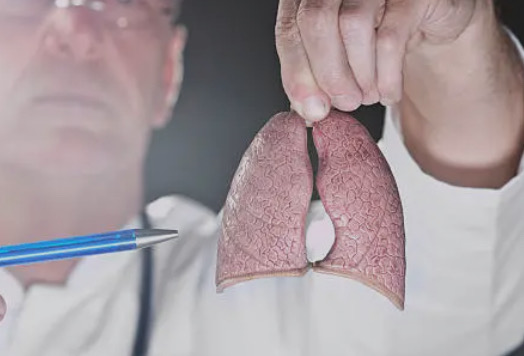
Emphysema: Causes, Symptoms, Treatment, and Lung Care
Feeling unusually tired, struggling to take a full breath, or becoming short of breath when climbing stairs may seem like normal signs of aging or poor physical fitness. However, in some cases, these symptoms may indicate an underlying respiratory condition, particularly emphysema, a chronic lung disease that affects the body’s ability to exchange oxygen.
Emphysema is commonly associated with a long history of smoking, but it can also develop in people who have never smoked. Individuals who are regularly exposed to dust, smoke, air pollution, or other respiratory irritants may also be at risk.
Although damaged air sacs cannot be fully restored to their original condition, early detection, avoiding risk factors, and receiving appropriate treatment can help control symptoms, reduce exacerbations, and improve quality of life.
What Is Emphysema?
Emphysema is a condition in which the walls of the tiny air sacs, called alveoli, inside the lungs are damaged. As a result, the air sacs lose their elasticity and become abnormally enlarged, reducing the surface area available for exchanging oxygen and carbon dioxide.
Under normal conditions, inhaled air travels through the airways into the alveoli. Oxygen then passes into the bloodstream, while carbon dioxide is transported back to the lungs and removed during exhalation.
When the walls of the alveoli are destroyed, several small air sacs may merge into larger air spaces. At the same time, the lung tissue loses its elasticity, causing some air to become trapped inside the lungs. This makes it more difficult to breathe out and increases the effort required for breathing.
Emphysema is one of the major abnormalities associated with chronic obstructive pulmonary disease (COPD) and may occur alongside chronic bronchitis. However, emphysema detected through lung imaging does not necessarily mean that every affected individual meets the diagnostic criteria for airflow obstruction associated with COPD.
How Does Emphysema Affect Health?
The lungs play a vital role in supplying oxygen to the body and removing carbon dioxide. When the alveoli are damaged, lung function may gradually decline, particularly if exposure to risk factors continues or the condition is not appropriately managed.
Potential health effects include:
- Reduced exercise capacity: Patients may become short of breath when walking, doing household chores, or performing activities they previously managed without difficulty.
- Air trapping in the lungs: Difficulty fully exhaling may cause air to remain trapped in the lungs, making breathing more difficult during physical activity.
- Reduced quality of life: Persistent breathlessness may interfere with sleep, work, and daily activities.
- Increased risk of exacerbations: Respiratory infections and exposure to irritants may trigger worsening symptoms.
- Complications in advanced disease: Some patients may develop low blood oxygen levels, pulmonary hypertension, or impaired right-sided heart function.
In addition, patients with severe emphysema may develop abnormally large air spaces or a pneumothorax, a condition in which air leaks into the space surrounding the lungs. This can cause sudden breathing difficulties and may require urgent medical treatment.
Causes and Risk Factors of Emphysema
Emphysema develops as a result of long-term inflammation and damage to lung tissue. Several important factors may contribute to its development.
1. Smoking
Smoking is a major risk factor for emphysema. Toxic substances in cigarette smoke can trigger airway inflammation and damage the walls of the alveoli. Prolonged exposure may cause the lung tissue to lose elasticity
and accumulate damage over time.
In general, the risk is associated with the amount and duration of smoking. However, not everyone who smokes develops emphysema, and the disease can also occur in people who have never smoked.
2. Exposure to Secondhand Smoke
People who regularly live or work in environments where cigarette smoke is present may be exposed to respiratory irritants. Long-term exposure can contribute to an increased risk of lung abnormalities.
3. Air Pollution and Particulate Matter
Long-term exposure to fine particulate matter, such as PM2.5, smoke from combustion, and other forms of air pollution may contribute to the risk of chronic lung diseases. These pollutants
may also worsen symptoms in individuals who already have lung conditions.
People who frequently work outdoors or live in areas with high pollution levels should take appropriate measures to reduce exposure to dust and smoke.
4. Occupational Exposure to Dust and Chemicals
Individuals working in factories, construction sites, mines, or environments containing dust, smoke, and chemical fumes may have an increased risk of developing COPD, particularly
when exposure continues without adequate protective measures.
5. Genetic Conditions
Some patients may have alpha-1 antitrypsin deficiency, an inherited condition that makes lung tissue more vulnerable to damage.
This condition can cause emphysema to develop at a relatively young age, even in people who have never smoked. Doctors may recommend additional testing when a patient’s medical history or clinical characteristics suggest this condition.
6. Age and Lung Health History
Emphysema is more commonly found in middle-aged and older adults because lung damage may accumulate over many years.
In addition, impaired lung development or certain respiratory conditions during childhood may contribute to the risk of developing chronic lung disease later in life.
Symptoms of Emphysema to Watch For
During the early stages, some patients may have no noticeable symptoms or experience only mild changes that they attribute to aging or a lack of physical fitness. As the disease progresses, symptoms often become more apparent.
Common symptoms include:
- Shortness of breath during physical activity: Particularly when walking quickly, climbing stairs, or exercising.
- Difficulty breathing: Patients may feel unable to take a full breath or completely exhale.
- Chronic cough: A persistent cough may occur with or without mucus, especially when chronic bronchitis is also present.
- Wheezing: A whistling sound during breathing may occur due to narrowed airways.
- Chest tightness: Some patients experience tightness or discomfort in the chest while breathing.
- Reduced ability to perform daily activities: Patients may need to take more frequent breaks when walking or doing household tasks.
In advanced cases, patients may experience breathlessness even at rest, weight loss, muscle weakness, or an abnormally expanded chest caused by air trapping in the lungs.
However, these symptoms are not specific to emphysema. They may also occur with heart disease, asthma, anemia, or other respiratory conditions. Medical evaluation is therefore important for an accurate diagnosis.
When Should You Seek Immediate Medical Attention?
Patients with emphysema may experience acute exacerbations, particularly when they develop respiratory infections or are exposed to certain triggers.
Seek immediate medical attention if any of the following symptoms occur:
- Severe shortness of breath or rapidly worsening breathing difficulties
- Difficulty breathing even at rest or being unable to speak in complete sentences
- Bluish discoloration of the lips or fingertips
- Confusion, unusual drowsiness, or loss of consciousness
- Severe chest pain, especially when accompanied by breathlessness
- Sudden shortness of breath with pain on one side of the chest, which may indicate a pneumothorax
If severe breathing difficulties or loss of consciousness occur, emergency medical assistance should be requested immediately. Patients should not wait for symptoms to improve or attempt to drive themselves to the hospital.
Patients who develop increased coughing, more mucus or a change in mucus color, fever, or greater breathlessness than usual should contact their doctor promptly, as these may be signs of an infection or disease exacerbation.
How Is Emphysema Diagnosed?
Diagnosing emphysema involves reviewing the patient’s medical history, performing a physical examination, and conducting additional medical tests to assess lung abnormalities and rule out other conditions that may cause similar symptoms.
1. Medical History and Physical Examination
The doctor will ask about symptoms such as breathlessness, chronic coughing, and mucus production, as well as smoking history, exposure to dust or chemicals, and any family history
of lung disease.
A physical examination may include observing breathing patterns, listening to lung sounds, and assessing respiratory function.
2. Spirometry
Spirometry is an important test used to diagnose COPD. During the test, the patient takes a deep breath and then exhales forcefully into a measuring device according to the healthcare professional’s instructions.
The device measures the amount of air exhaled and the speed of airflow to determine whether airflow obstruction is present.
When COPD is suspected, the doctor evaluates spirometry results obtained after administering a bronchodilator, together with the patient’s symptoms and risk factors. However, spirometry alone cannot directly identify damage to the alveoli.
3. Chest X-ray
A chest X-ray helps assess lung abnormalities and identify other possible causes of breathing difficulties, such as certain lung diseases or heart conditions.
In patients with severe emphysema, an X-ray may show overinflated lungs. However, a normal chest X-ray does not rule out early-stage emphysema.
4. Computed Tomography (CT Scan)
A CT scan provides more detailed images of lung tissue and damage to the alveoli than a conventional chest X-ray.
Doctors may recommend a CT scan to evaluate the severity of emphysema, identify complications, or plan specialized treatment.
However, not every patient requires a CT scan.
5. Blood Oxygen Measurement and Additional Tests
In patients with severe symptoms, doctors may measure blood oxygen levels using a fingertip pulse oximeter or perform an arterial blood gas test to assess oxygen and carbon
dioxide levels.
Some patients may also undergo tests to assess the lungs’ gas transfer capacity or to detect alpha-1 antitrypsin deficiency when clinically indicated.
Treatment Options for Emphysema
There is currently no treatment that can fully restore damaged alveoli to their original condition. Treatment therefore focuses on relieving breathing difficulties, reducing the risk of exacerbations, slowing disease progression, and helping patients maintain their ability to perform daily activities.
The treatment approach depends on symptoms, disease severity, lung function test results, exacerbation history, underlying medical conditions, and the doctor’s clinical assessment.
1. Smoking Cessation
Quitting smoking is one of the most important measures for patients who continue to smoke. It reduces exposure to harmful substances that damage the lungs and helps slow the decline in lung function.
Even for individuals who have smoked for many years, quitting can still provide significant benefits for lung health and overall well-being.
Those who find it difficult to quit smoking on their own can consult a doctor or pharmacist for advice on behavioral changes and appropriate smoking cessation medications.
2. Bronchodilator Medications
Bronchodilators are important medications used to treat COPD. They work by relaxing the muscles surrounding the airways, allowing air to move more easily in and out of the lungs and helping reduce
breathlessness.
Bronchodilators are available in both short-acting and long-acting forms. Doctors select the appropriate treatment based on the patient’s symptoms and disease severity.
Some patients may receive a combination of different bronchodilators to improve symptom control.
Correct inhaler technique is essential because improper use may prevent an adequate amount of medication from reaching the lungs. Patients should therefore have their inhaler technique checked periodically by a doctor or pharmacist.
3. Anti-inflammatory Medications
For some patients with COPD, particularly those who experience frequent exacerbations, doctors may prescribe inhaled corticosteroids in combination with bronchodilators.
These medications are not suitable for every patient. Their benefits and risks must be carefully considered, including the potential increased risk of pneumonia in certain patient groups.
Patients should not purchase or use corticosteroids on their own or change prescribed medications without consulting their doctor.
4. Pulmonary Rehabilitation
Pulmonary rehabilitation is a structured care program that includes exercise training, breathing techniques, and education about disease management.
Pulmonary rehabilitation may help patients improve exercise tolerance, reduce breathlessness, and perform daily activities more comfortably.
The program should be tailored to each patient’s physical condition and supervised by healthcare professionals as appropriate.
5. Supplemental Oxygen Therapy
Some patients with persistently low blood oxygen levels who meet the relevant treatment criteria may require supplemental oxygen as prescribed by their doctor.
However, not all patients with emphysema need oxygen therapy. The appropriate oxygen concentration and duration of treatment must be carefully assessed.
Patients should not purchase or use supplemental oxygen without a medical indication.
6. Procedures and Surgical Treatment
For selected patients with severe emphysema who continue to experience significant symptoms despite appropriate treatment, specialists may consider additional interventions, such as:
- Bullectomy to remove abnormally large air spaces
- Lung volume reduction surgery
- Bronchoscopic valve placement to reduce air trapping in suitable patients
- Lung transplantation for patients with advanced disease who meet the eligibility criteria
These treatments have different indications and risks and therefore require a thorough assessment by a specialized medical team.
Self-Care Tips for People with Emphysema
In addition to medical treatment, lifestyle adjustments play an important role in controlling symptoms and reducing factors that may trigger exacerbations.
Avoid Smoking and Air Pollution
Patients should stop smoking and avoid secondhand smoke, as well as minimize exposure to dust, smoke from combustion, and chemicals that irritate the respiratory system.
On days when PM2.5 levels are high, patients should reduce outdoor activities, improve indoor air quality, and use appropriate respiratory protection when exposure to polluted environments cannot be avoided.
Exercise According to Physical Ability
Regular physical activity may help maintain muscle strength and improve the ability to perform everyday tasks.
Patients may begin with slow walking or other light activities as recommended by their doctor and gradually adjust the intensity according to their physical capacity.
If unusual breathlessness, chest pain, or dizziness occurs during exercise, the activity should be stopped and the symptoms assessed immediately.
Practice Breathing Techniques
Pursed-lip breathing is a technique that may help some patients control their breathing rhythm and reduce the sensation of breathlessness.
To practice, breathe in slowly through the nose, then gently purse the lips as though blowing out a candle. Exhale slowly, making the exhalation longer than the inhalation, without straining or holding the breath.
Patients who experience severe breathlessness should seek guidance from a physiotherapist or healthcare professional before practicing independently.
Maintain Appropriate Nutrition
Some patients with chronic lung disease may experience weight loss or muscle wasting because breathing requires more energy. Others may be overweight, which can make breathing more difficult.
Patients should therefore maintain a balanced diet, consume adequate protein and calories, and aim for an appropriate body weight.
Those who experience unintentional weight loss, poor appetite, or significant breathlessness while eating should consult a doctor or registered dietitian.
Receive Recommended Vaccinations
Respiratory infections can trigger COPD exacerbations. Patients should therefore consult their doctor about appropriate vaccinations, such as influenza, pneumococcal, and COVID-19 vaccines.
Other vaccinations may be recommended based on age, underlying medical conditions, and vaccination guidelines used in Thailand.
Follow the Treatment Plan and Monitor Symptoms
Patients should use their prescribed medications consistently and should not stop using inhalers simply because their symptoms have improved unless advised by their doctor.
They should monitor changes such as increasing breathlessness, more frequent coughing, increased mucus production, or reduced exercise tolerance and report these changes during follow-up appointments.
Can Emphysema Be Prevented?
The risk of developing emphysema can be reduced in some cases by avoiding factors that damage the lungs, particularly smoking and exposure to air pollution.
Recommended risk-reduction measures include:
- Avoid starting smoking and quit smoking if currently smoking.
- Avoid secondhand smoke and smoke from combustion.
- Reduce exposure to dust and chemicals in the workplace.
- Use respiratory protective equipment appropriate to the level and type of exposure.
- Maintain overall health and take measures to prevent respiratory infections.
- Seek medical advice if persistent coughing or unusual breathlessness develops, especially in individuals with a history of exposure to risk factors.
However, prevention cannot guarantee that emphysema will never develop, as other factors, including genetics and lung health during childhood, may also contribute to the disease.
Who Should Consider Medical Evaluation?
People who have risk factors for emphysema or experience unusual respiratory symptoms should consult a doctor to determine whether spirometry or additional tests are necessary.
Groups who should pay particular attention include:
- Current or former long-term smokers who experience breathlessness, coughing, or chronic mucus production
- People with progressively worsening breathing difficulties
- Individuals regularly exposed to dust, smoke, or workplace chemicals who develop respiratory symptoms
- People with a family history of emphysema occurring at a young age
- Patients with chronic lung disease whose symptoms change or become difficult to control
- Older adults who experience unusual breathlessness or a decline in their ability to perform daily activities
Spirometry should be considered based on symptoms and risk factors. Routine screening is not necessary for every adult who has no symptoms or clinical indications.
สรุป
Emphysema is a condition in which the walls of the alveoli inside the lungs are damaged, causing the lungs to lose elasticity and reducing their ability to exchange gases efficiently. Patients may experience shortness of breath, difficulty breathing, chronic coughing, and a reduced ability to perform daily activities, particularly as the disease becomes more severe.
Smoking is a major risk factor, but exposure to dust, smoke, air pollution, chemicals, and certain genetic conditions may also contribute to the development of emphysema.
Although damaged alveoli cannot be fully restored to normal, smoking cessation, adherence to prescribed medications, pulmonary rehabilitation, and ongoing health management can help control symptoms, reduce exacerbations, and improve patients’ quality of life.
People who experience unusual breathlessness, persistent coughing, or ongoing breathing difficulties should seek medical evaluation to identify the underlying cause and receive appropriate treatment as early as possible.
จัดทำโดย: ภญ. ปุณยนุช อังคะนาวิน
แหล่งอ้างอิง
- World Health Organization (WHO). Chronic obstructive pulmonary disease (COPD)
- National Heart, Lung, and Blood Institute (NHLBI). COPD Diagnosis
- National Heart, Lung, and Blood Institute (NHLBI). COPD Treatment