 TH
 EN
 CN
 JAP
 AR
Why Do Some People Develop Itchy Hives When Exposed to Cold Temperatures?
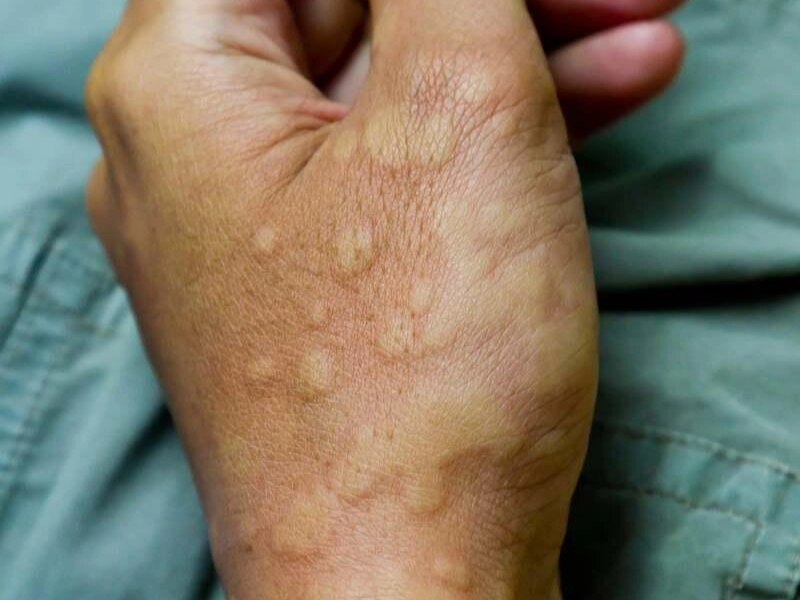
Have you ever noticed raised, red welts appearing on your skin after spending time in an air-conditioned room, taking a cold shower, or holding a glass filled with ice? These reactions may be accompanied by itching or swelling, even when you have not come into contact with unfamiliar chemicals or foods.
Many people assume these symptoms are simply caused by dry skin or irritation from cold weather. However, if the rash repeatedly develops after cold exposure and gradually disappears as the body warms up, it may be associated with a condition known as cold urticaria.
This condition can occur even in places without extremely cold weather. Everyday triggers, such as cold water, air conditioning, or chilled foods, may be enough to cause a reaction.
In most cases, cold urticaria causes symptoms limited to the skin. However, some individuals may experience more severe reactions when large areas of the body are exposed to cold temperatures. Understanding the symptoms and knowing how to manage the condition are therefore important.
What Is Cold Urticaria?
Cold urticaria is a condition in which the skin reacts abnormally to low temperatures. It belongs to a group of hives triggered by identifiable physical factors, with cold exposure being the specific trigger.
When the skin comes into contact with cold air, water, or objects, raised red welts may appear, sometimes accompanied by itching or swelling. Some people experience symptoms only where the cold contact occurs, while others may develop hives across multiple areas of the body.
Symptoms typically appear within minutes of cold exposure and may become more noticeable as the skin begins to warm up again. Most hives gradually subside within approximately 1–2 hours, although the duration can vary from person to person.
Cold urticaria is not contagious, and having the condition does not necessarily mean that a person is unhealthy or has a weakened immune system.
Why Does Cold Exposure Cause Hives?
Under normal circumstances, exposure to cold temperatures may cause us to feel chilly, develop goosebumps, or experience temporary changes in skin color. However, people with cold urticaria respond differently.
When exposed to cold, certain immune cells known as mast cells may be triggered to release histamine, a substance involved in allergic reactions and inflammation.
Histamine causes blood vessels in the skin to widen and allows fluid to leak into the surrounding tissues, resulting in raised red welts, itching, or swelling.
However, the exact reason why some people develop this unusual response to cold temperatures remains unclear, while most individuals can tolerate cold exposure without developing hives.
In most cases, no specific underlying cause can be identified. Occasionally, cold urticaria may be associated with certain infections, blood disorders, or immune system abnormalities. A healthcare professional may recommend further investigations when clinically indicated.
How Can You Recognize the Symptoms of Cold Urticaria?
The most common symptom is the appearance of hives after exposure to cold temperatures. Sensitivity varies between individuals. Some may develop symptoms after relatively mild cold exposure, while others react only to extremely cold conditions.
Possible symptoms include:
- Raised red welts: Small bumps or larger patches of raised skin may develop, particularly in areas directly exposed to cold.
- Itching: The affected skin may feel itchy or irritated.
- Skin swelling: Some individuals may experience swelling of the hands, fingers, face, or lips.
- Hives following cold exposure: Symptoms may develop within minutes and become more noticeable as the skin warms up.
- Gradual improvement: Symptoms often subside once cold exposure stops, although they may return if the person encounters the same trigger again.
An important clue is the consistent relationship between cold exposure and the appearance of hives. For example, a person may repeatedly develop a rash on their hands after holding cold objects or taking a cold shower.
However, developing an itchy rash after cold exposure does not necessarily confirm cold urticaria, as other skin conditions can produce similar symptoms.
What Types of Cold Exposure Can Trigger Hives?
Cold urticaria is not limited to exposure during winter. Several everyday situations may trigger symptoms without a person immediately recognizing the connection.
1. Cold Weather and Air-Conditioned Environments
Spending extended periods in cold environments or being exposed to cool airflow may trigger hives on uncovered areas of the skin, such as the face, arms, or hands.
2. Cold Showers and Swimming
Cold water is an important trigger to be aware of, particularly when swimming in pools or natural bodies of water, where large areas of the body may be exposed to low temperatures simultaneously.
For some individuals, this type of exposure may cause a more severe reaction than localized contact with a cold object.
3. Touching Ice or Very Cold Objects
Holding a cold glass, handling an ice pack, or removing items from a freezer may cause hives to develop on the hands or fingers where direct contact occurs.
4. Cold Foods and Beverages
Some individuals may experience swelling of the lips or inside the mouth after eating ice cream or consuming very cold drinks.
If these reactions have occurred before, it is advisable to avoid the triggers and consult a healthcare professional for an assessment of potential risks.
Who Can Develop Cold Urticaria?
Cold urticaria can affect people of all ages, although it is more commonly observed in adolescents and adults in certain populations.
Most individuals with the condition do not have a family history of cold urticaria, and many cannot identify a specific reason why their symptoms first developed.
However, certain conditions may be associated with cold urticaria, including:
- Other forms of urticaria
- Certain infections
- Abnormalities involving blood proteins that react to cold temperatures
- Certain blood disorders or immune system conditions
These associations do not mean that everyone with cold urticaria has an underlying medical condition. The need for further investigations depends on the individual's medical history, symptoms, and clinical assessment.
Is Cold Urticaria Dangerous?
For most people, cold urticaria causes symptoms limited to the skin, such as itching, hives, and swelling, which can often be managed with appropriate care.
However, in some individuals, cold exposure may trigger a severe systemic allergic reaction known as anaphylaxis. This condition can affect breathing and blood circulation.
Warning signs may include:
- Difficulty breathing or unusual breathing sounds
- Rapid swelling of the lips, tongue, or throat
- Severe dizziness, lightheadedness, or fainting
- A rapid heartbeat accompanied by significant weakness
- Loss of consciousness or symptoms suggesting a sudden drop in blood pressure
If any of these symptoms occur following cold exposure, seek emergency medical assistance immediately.
Swimming in cold water requires particular caution. If a person becomes dizzy or loses consciousness while in the water, the risk of drowning may increase.
Individuals with a history of cold urticaria should therefore seek medical advice before participating in activities involving extensive exposure to cold water.
How Is Cold Urticaria Treated?
Treatment for cold urticaria focuses on reducing the frequency and severity of symptoms while preventing potentially dangerous reactions.
There is currently no treatment that guarantees a permanent cure for every patient. However, many people can successfully manage their symptoms through lifestyle adjustments and appropriate medical treatment.
Avoiding Known Triggers
One of the most important strategies is identifying what triggers symptoms and minimizing exposure to those conditions. This may include avoiding extremely cold water or wearing clothing that helps
maintain body warmth.
Antihistamine Treatment
A healthcare professional may recommend antihistamines, which help reduce the effects of substances involved in itching and the development of hives.
Medications that may be considered include cetirizine, loratadine, or desloratadine. The choice of medication and dosage depends on the individual's symptoms and overall health.
If symptoms remain uncontrolled, a healthcare professional may adjust the treatment plan. Patients should not increase their medication dosage or switch medications without medical advice.
Treatment for Severe or Persistent Symptoms
For individuals with persistent symptoms or those who do not respond adequately to standard treatment, a specialist may consider additional therapies, such as omalizumab, depending
on the patient's condition.
People who have previously experienced severe allergic reactions may also receive guidance on emergency medication and the appropriate steps to take if another serious reaction occurs.
How to Manage Cold Urticaria in Daily Life
Although it may not always be possible to prevent cold urticaria entirely, certain lifestyle adjustments may help reduce the likelihood of recurring symptoms.
1. Avoid Sudden Temperature Changes: If you know that cold exposure triggers your symptoms, try to avoid abrupt transitions from warm environments to extremely cold conditions.
2. Dress Appropriately for the Temperature: When spending time in cold environments, consider wearing a jacket, gloves, or long-sleeved clothing to minimize direct skin exposure.
3. Take Precautions When Showering or Swimming: Avoid showering in extremely cold water. If you have previously developed symptoms after contact with cold water, consult a healthcare professional before swimming or participating in water-related activities. Individuals who have experienced severe reactions should not attempt to test their tolerance by entering cold water on their own.
4. Monitor Reactions to Cold Foods and Beverages: If you have experienced lip swelling after consuming very cold foods or drinks, avoid the items that trigger your symptoms and inform your healthcare professional during your next consultation.
5. Keep a Record of Your Symptoms: If hives appear intermittently, recording the activities that preceded each episode, how long the symptoms lasted, and whether any other symptoms occurred may help your healthcare professional assess the condition. If it is safe to do so, taking photographs of the rash may also provide useful information, particularly if the hives have disappeared before your medical appointment.
How Is Cold Urticaria Diagnosed?
If hives repeatedly develop after cold exposure, a healthcare professional will usually begin by reviewing your medical history and the characteristics of your symptoms. This may include asking how quickly the rash appears after exposure and whether other symptoms occur at the same time.
One method that may be used to support the diagnosis is the cold stimulation test, which involves exposing a small area of skin to cold under controlled conditions, such as using an ice cube according to a standardized procedure. The healthcare professional then observes whether a raised welt develops as the skin warms up.
However, this test should be performed by a healthcare professional because some individuals may experience severe reactions. The results must also be interpreted alongside the patient's medical history and symptoms.
For this reason, you should not attempt to confirm cold urticaria by performing an ice cube test on yourself.
Can Cold Urticaria Go Away on Its Own?
The duration of cold urticaria varies considerably between individuals.
Some people may notice that their symptoms gradually improve or disappear over time, while others may continue to experience reactions for several years.
At present, it is not possible to predict with certainty when an individual's cold urticaria will resolve or whether symptoms will return.
The most important approach is to avoid known triggers and follow the treatment plan recommended by your healthcare professional to help maintain safety during everyday activities.
When Should You See a Doctor?
Experiencing an itchy rash after cold exposure on a single occasion does not necessarily mean that you have cold urticaria. However, if symptoms recur or begin to interfere with daily activities, it is advisable to seek medical evaluation.
You should consider consulting a healthcare professional if:
- Hives repeatedly appear after exposure to cold temperatures.
- Itching or swelling interferes with work or daily activities.
- You have experienced swelling of the lips or face following cold exposure.
- Unusual symptoms occur while showering or swimming.
- Symptoms do not improve despite following the recommended treatment.
- You experience additional symptoms, such as fever, joint pain, or other unusual physical changes.
A dermatologist or allergy specialist can assess your symptoms and recommend an appropriate treatment plan based on your individual needs.
If you experience difficulty breathing, throat swelling, severe dizziness, or loss of consciousness, seek emergency medical care immediately rather than waiting for symptoms to improve on their own.
สรุป
Cold urticaria is a condition in which the skin reacts abnormally to low temperatures, causing raised red welts, itching, or swelling after exposure to cold air, water, or objects.
Although symptoms are usually limited to the skin, some individuals may experience severe reactions, particularly when large areas of the body are exposed to cold water. Recognizing personal triggers and avoiding potentially risky activities are therefore important.
If you repeatedly develop hives after cold exposure, consult a healthcare professional for an accurate diagnosis and appropriate guidance. With proper management, it is possible to control symptoms, reduce recurring episodes, and maintain greater confidence and safety in daily life.
จัดทำโดย: ภญ. ปุณยนุช อังคะนาวิน
แหล่งอ้างอิง
- DermNet. Cold Urticaria
- Mayo Clinic. Cold Urticaria – Diagnosis and Treatment
- Cleveland Clinic. Cold Urticaria: What It Is, Symptoms, Causes & Treatment