 TH
 EN
 CN
 JAP
 AR
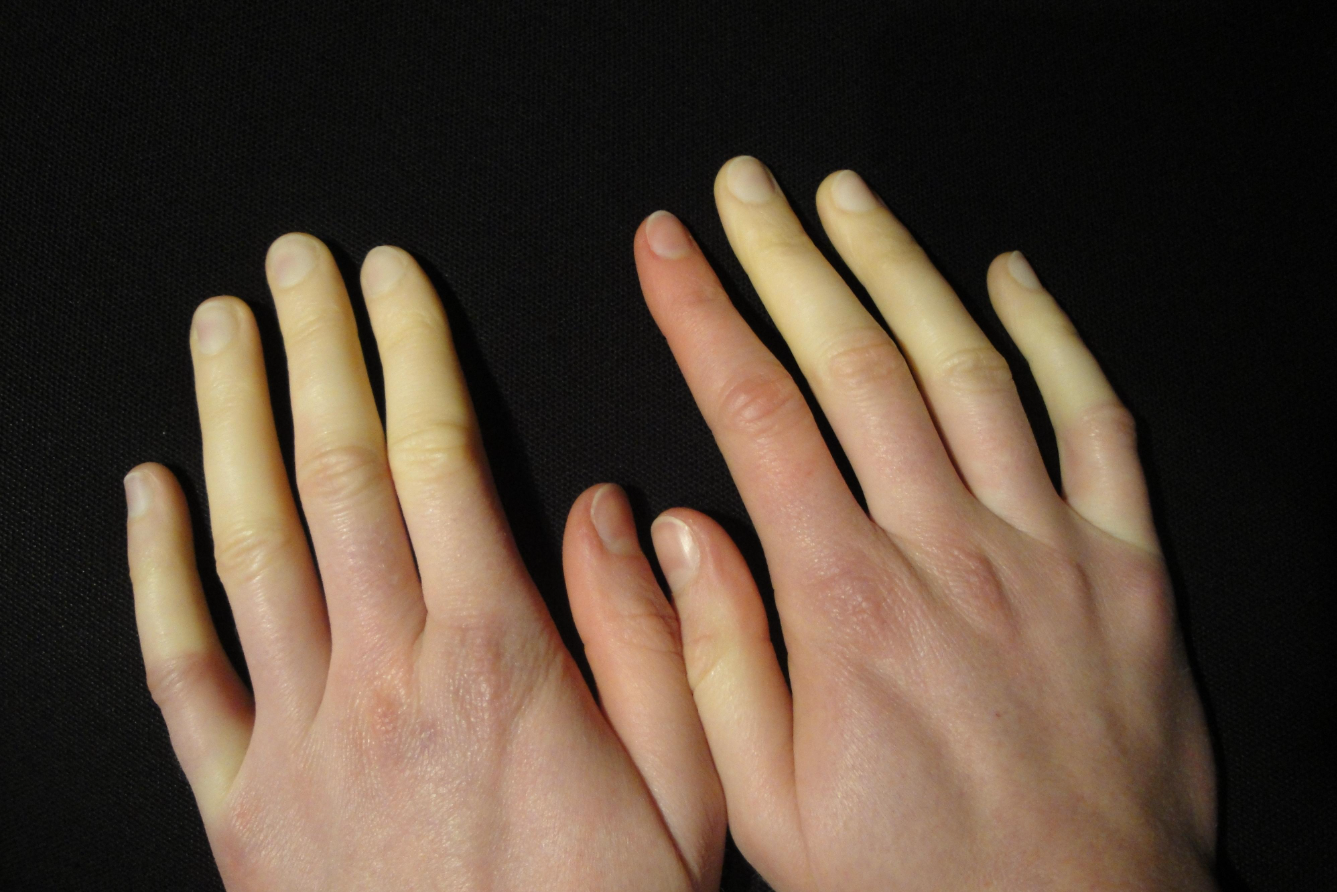
Raynaud’s Phenomenon: Why Do Your Fingers Turn Pale in the Cold, and How Can You Manage It?
Have you ever noticed that some of your fingers turn noticeably pale when sitting in a cold, air-conditioned room or taking something out of the freezer? Sometimes, this change is accompanied by numbness, coldness, or pain in your fingertips, even after only a brief exposure to cold temperatures.
Many people assume that these symptoms are simply a normal reaction to the cold. However, if your fingers change color significantly when exposed to low temperatures and return to normal once they warm up, you may be experiencing Raynaud’s phenomenon, a condition in which the small blood vessels in the fingers constrict more than usual.
In most cases, Raynaud’s phenomenon does not lead to serious health problems, and its symptoms can often be managed through simple lifestyle adjustments. However, it may occasionally indicate an underlying condition affecting the blood vessels. Understanding the symptoms of Raynaud’s phenomenon and knowing when to seek medical advice can help you manage the condition appropriately.
What Is Raynaud’s Phenomenon?
Raynaud’s phenomenon is a condition in which the small blood vessels in the extremities, particularly the fingers and toes, react excessively to cold temperatures or emotional stress. This causes the blood vessels to narrow, temporarily reducing blood flow to the affected areas.
Normally, when the body is exposed to cold temperatures, blood vessels near the skin’s surface constrict to reduce heat loss. This is a natural mechanism that helps the body maintain its core temperature.
In people with Raynaud’s phenomenon, however, these blood vessels constrict more than necessary. As a result, the fingers or toes may turn pale white or bluish-purple. As the body warms up and blood circulation improves, the skin may become red before gradually returning to its normal color.
Although the condition most commonly affects the fingers and toes, some individuals may also experience symptoms in the nose, ears, lips, or nipples.
The Two Types of Raynaud’s Phenomenon
1. Primary Raynaud’s Phenomenon
Primary Raynaud’s phenomenon is the more common form and is not associated with an identifiable underlying medical condition. Symptoms typically begin during adolescence or early adulthood, and the condition is more common in women than in men.
Most people with primary Raynaud’s experience relatively mild symptoms. Episodes may occur occasionally in response to cold temperatures and usually improve once the body becomes warm again.
2. Secondary Raynaud’s Phenomenon
Secondary Raynaud’s phenomenon develops in association with another medical condition or an external factor that affects blood vessels. Examples include autoimmune diseases and prolonged occupational exposure to vibrating tools.
This form may cause more severe symptoms. In some cases, reduced blood supply to the affected tissues can lead to sores or ulcers on the fingertips.
Why Does Raynaud’s Phenomenon Cause Fingers to Change Color?
One of the most recognizable features of Raynaud’s phenomenon is a change in the color of the fingers or toes. This happens because the amount of blood reaching these areas changes rapidly during an episode.
Three types of color changes may occur:
- White or pale: The blood vessels constrict, reducing blood flow to the fingertips and causing the skin to become pale.
- Blue or purple: As blood circulation decreases, the tissues receive less oxygen, which may cause the skin to develop a bluish or purplish appearance.
- Red: When the blood vessels relax and circulation returns, the skin may become red. This can be accompanied by warmth, pain, or a tingling sensation similar to pins and needles.
Not everyone experiences all three color changes. Some individuals may notice only a transition from white to red, while others may develop a bluish-purple discoloration.
In people with darker skin tones, these color changes may be less noticeable. Therefore, it is also important to pay attention to other symptoms, such as coldness, numbness, or pain in the fingertips.
Symptoms of Raynaud’s Phenomenon to Watch For
Raynaud’s symptoms usually occur in episodes, particularly after exposure to cold temperatures or during periods of emotional stress.
Possible symptoms include:
- Fingers or toes turning white, bluish-purple, or red
- An unusually cold sensation in the fingertips
- Temporary numbness or reduced sensitivity to touch
- Pain or a pins-and-needles sensation in the fingers
- Tightness or discomfort as blood circulation returns
- Repeated episodes triggered by cold temperatures or stress
An episode may last only a few minutes or, in some cases, several hours, depending on its severity and the triggering factors.
For most people, symptoms gradually improve as the body warms up. However, if the fingers remain pale or dark despite warming, medical evaluation is recommended.
Causes and Triggers of Raynaud’s Phenomenon
The exact cause of primary Raynaud’s phenomenon remains unclear. However, several factors can influence blood vessel constriction and may trigger symptoms.
1. Cold Temperatures and Sudden Temperature Changes
Cold exposure is one of the most common triggers of Raynaud’s episodes. Even everyday situations, such as sitting in an air-conditioned room, washing hands with cold water, or handling frozen food, may be enough to trigger symptoms.
Therefore, people with Raynaud’s phenomenon may experience episodes without being exposed to extremely cold weather.
2. Stress and Anxiety
During stressful situations, the body activates the nervous system responsible for responding to pressure and perceived threats. This response can cause blood vessels to constrict.
As a result, some people may develop pale or cold fingers even when the surrounding temperature is comfortable.
3. Medical Conditions Affecting Blood Vessels
In some cases, Raynaud’s phenomenon is associated with autoimmune diseases. These conditions occur when the immune system functions abnormally and may affect the body’s tissues or blood vessels.
Examples of associated conditions include:
- Systemic sclerosis (scleroderma): A condition that can affect the skin and blood vessels.
- Systemic lupus erythematosus (SLE): An autoimmune disease that may affect multiple organs and tissues.
- Rheumatoid arthritis: An autoimmune condition that primarily affects the joints.
- Sjögren’s syndrome: An autoimmune disease that may affect the tear glands, salivary glands, and other organs.
However, experiencing Raynaud’s symptoms does not necessarily mean that a person has any of these conditions.
4. Smoking and Certain Medications
Nicotine found in cigarettes and other nicotine-containing products can cause blood vessels to constrict, potentially triggering Raynaud’s symptoms.
Certain medications may also contribute to the development or worsening of symptoms. These include some blood pressure medications, migraine treatments, and medications used to treat attention-deficit/hyperactivity disorder (ADHD).
If you suspect that a medication may be contributing to your symptoms, consult your doctor or pharmacist before making any changes or stopping treatment.
5. Occupational Exposure to Vibration
People who regularly use vibrating equipment, such as electric drills, grinders, or certain industrial machines, may be at increased risk of developing abnormalities in the blood vessels and nerves of the hands.
Prolonged exposure to vibration is therefore another factor that may be associated with secondary Raynaud’s phenomenon.
Who Is More Likely to Develop Raynaud’s Phenomenon?
Raynaud’s phenomenon can affect anyone, but certain groups may be more likely to develop the condition.
These include:
- Women: Primary Raynaud’s phenomenon is more common in women than in men.
- Adolescents and young adults: Primary Raynaud’s often begins during these stages of life.
- People with a family history of Raynaud’s: Having a family member with the condition may increase the likelihood of developing it.
- People with autoimmune diseases: Certain autoimmune conditions may be associated with secondary Raynaud’s phenomenon.
- People regularly exposed to cold temperatures or vibrating equipment: Occupational exposure may increase the likelihood of developing related symptoms.
Belonging to one of these groups does not necessarily mean that a person will develop Raynaud’s phenomenon. A proper diagnosis requires a medical assessment and physical examination.
How to Manage Raynaud’s Phenomenon at Home
For people with mild symptoms, lifestyle adjustments and avoiding known triggers can play an important role in reducing the frequency and severity of Raynaud’s episodes.
What Should You Do When Your Fingers Become Pale or Numb?
If symptoms develop after exposure to cold temperatures, gradually warming the body can help restore normal circulation.
You can try the following steps:
- Move away from the cold environment and into a warmer area.
- Place your hands under your armpits to use your body heat to warm your fingers.
- Use comfortably warm water, rather than hot water, to warm your hands.
- Gently move your fingers to encourage blood circulation.
- Relax and reduce stress if emotional tension appears to be triggering the symptoms.
Avoid using very hot water or placing your hands directly against a heat source. Numb fingers may not detect excessive heat properly, increasing the risk of accidental burns.
How to Reduce Raynaud’s Episodes in Everyday Life
Keep Your Body Warm
Wear clothing suitable for the temperature, and use gloves or socks when spending time in cold environments. This is particularly helpful for people who work or spend long periods in air-conditioned rooms.
Avoid Sudden Temperature Changes
Moving quickly from a hot environment into a very cold room may trigger symptoms. Keeping a jacket or other warm clothing available can help reduce exposure to sudden temperature changes.
Exercise Regularly
Appropriate physical activity supports overall cardiovascular health and blood circulation. Exercise may also help reduce stress and promote relaxation.
Avoid Smoking and Nicotine
Quitting smoking helps eliminate a factor that can contribute to blood vessel constriction and provides additional benefits for overall vascular health.
Manage Stress
Practicing slow breathing, engaging in relaxing activities, or participating in gentle exercise may help reduce episodes associated with emotional stress.
Monitor Your Caffeine Intake
Caffeine may trigger symptoms in some individuals. If you notice that episodes occur after drinking coffee, tea, or other caffeinated beverages, consider reducing your intake as appropriate.
How Is Raynaud’s Phenomenon Treated?
Treatment for Raynaud’s phenomenon depends on the type of condition, the severity of symptoms, and whether an underlying medical disorder is present.
For people with mild symptoms, doctors may initially recommend staying warm and avoiding known triggers. These measures may be sufficient to manage symptoms during everyday activities.
However, if episodes become frequent, severe, or interfere with daily life, a doctor may prescribe medication to help relax the blood vessels and improve circulation to the fingertips.
One group of medications that may be used is calcium channel blockers, such as nifedipine. These medications help reduce blood vessel constriction. However, they may cause side effects and should only be taken under medical supervision.
For secondary Raynaud’s phenomenon, treatment also involves assessing and managing the underlying condition, particularly diseases affecting the blood vessels or immune system.
People with very severe symptoms may require additional specialized treatment to improve circulation and reduce the risk of fingertip ulcers.
When Should You See a Doctor?
If your fingers change color when exposed to cold temperatures for the first time, it is advisable to consult a doctor to determine the cause, especially if the symptoms recur frequently or appear unusual.
You should seek medical evaluation if:
- Episodes become more frequent or severe.
- Color changes occur in only one hand.
- Symptoms interfere with work or daily activities.
- Symptoms first appear after the age of 30.
- You also experience joint pain, skin rashes, or muscle weakness.
- You have an autoimmune disease or suspect that your symptoms are related to medication.
- A child under the age of 12 develops symptoms suggestive of Raynaud’s phenomenon.
A doctor will review your medical history and perform a physical examination. Blood tests or nailfold capillaroscopy may also be recommended. Nailfold capillaroscopy involves examining the tiny blood vessels near the base of the fingernails under magnification and can help distinguish primary from secondary Raynaud’s phenomenon.
Which Symptoms Require Urgent Medical Attention?
Although most cases of Raynaud’s phenomenon are not severe, a substantial or prolonged reduction in blood flow to the fingertips can potentially damage the affected tissues.
Seek immediate medical attention if you experience any of the following:
- Fingers or toes remain pale, purple, or dark despite warming.
- Severe pain develops in the fingertips.
- Persistent numbness and extreme coldness do not improve.
- Sores or ulcers appear on the fingertips, particularly when accompanied by pain or unusual skin discoloration.
- The skin on the fingers or toes turns black.
These symptoms may indicate an inadequate blood supply to the affected tissues and require prompt medical assessment and treatment.
Can Raynaud’s Phenomenon Be Cured?
Most people with primary Raynaud’s phenomenon experience relatively mild symptoms and can continue their normal daily activities by avoiding known triggers. In some cases, symptoms may become less frequent or less severe over time.
For individuals with secondary Raynaud’s phenomenon, symptom control often depends on the underlying condition. Following the recommended treatment plan and attending regular medical follow-up appointments are therefore important.
Although Raynaud’s phenomenon may not disappear permanently in every case, appropriate self-care and medical treatment can help reduce symptoms and lower the risk of complications.
Conclusion
Raynaud’s phenomenon is a condition in which small blood vessels in the fingers and toes constrict excessively in response to cold temperatures or emotional stress. This temporarily reduces blood flow and may cause the affected areas to become pale, bluish-purple, numb, or painful.
Most people can manage their symptoms by keeping warm, avoiding cold exposure, quitting smoking, and managing stress. However, Raynaud’s phenomenon may sometimes be associated with other conditions affecting the blood vessels, so symptoms alone should not be used to determine the underlying cause.
If you frequently notice changes in finger color, experience increasingly severe episodes, or find that symptoms interfere with your daily activities, consult a healthcare professional for an appropriate evaluation. Medical attention is particularly important if severe pain develops or abnormal skin discoloration persists despite warming.
Prepared by: ภญ. ปุณยนุช อังคะนาวิน
References
- National Institute of Arthritis and Musculoskeletal and Skin Diseases (NIAMS). Raynaud’s Phenomenon.
- National Health Service (NHS). Raynaud’s.
- American College of Rheumatology (ACR). Raynaud’s Phenomenon.