 TH
 EN
 CN
 JAP
 AR
Tendinitis: Symptoms, Causes, Treatment, and Prevention
Pain in the shoulders, elbows, wrists, knees, or ankles is a common problem in everyday life, particularly among individuals who maintain the same posture for prolonged periods, perform repetitive movements, or engage in strenuous physical activities.
These symptoms may be associated with tendinitis, a condition involving inflammation or irritation of the tendons that connect muscles to bones.
Tendinitis does not affect athletes alone. It can also occur in office workers, manual laborers, and older adults. Symptoms may begin as mild discomfort during movement but can gradually interfere with work and daily activities if not properly managed.
Understanding the causes, symptoms, and treatment options for tendinitis can help individuals modify their activities, reduce aggravating factors, and recognize warning signs that require medical attention.
What Is Tendinitis?
Tendinitis, also spelled tendonitis, is a condition characterized by inflammation or irritation of a tendon.
Tendons are strong connective tissues that attach muscles to bones and transmit muscular forces to enable body movement.
When tendons are exposed to excessive mechanical stress or repetitive strain beyond their ability to adapt, they may become injured, resulting in pain, tenderness, and difficulty moving the affected area.
However, tendon pain is not always caused by inflammation, particularly in chronic cases. Long-standing tendon disorders may involve structural changes and impaired tissue repair.
For this reason, healthcare professionals may use the broader term tendinopathy to describe tendon disorders involving pain, functional impairment, and changes in tendon structure.
Common Areas Affected by Tendinitis
Tendinitis can develop in several parts of the body, including:
- Shoulder Tendinitis (Rotator Cuff Tendinopathy): Causes shoulder pain, particularly when raising the arm, reaching for objects, or performing overhead activities.
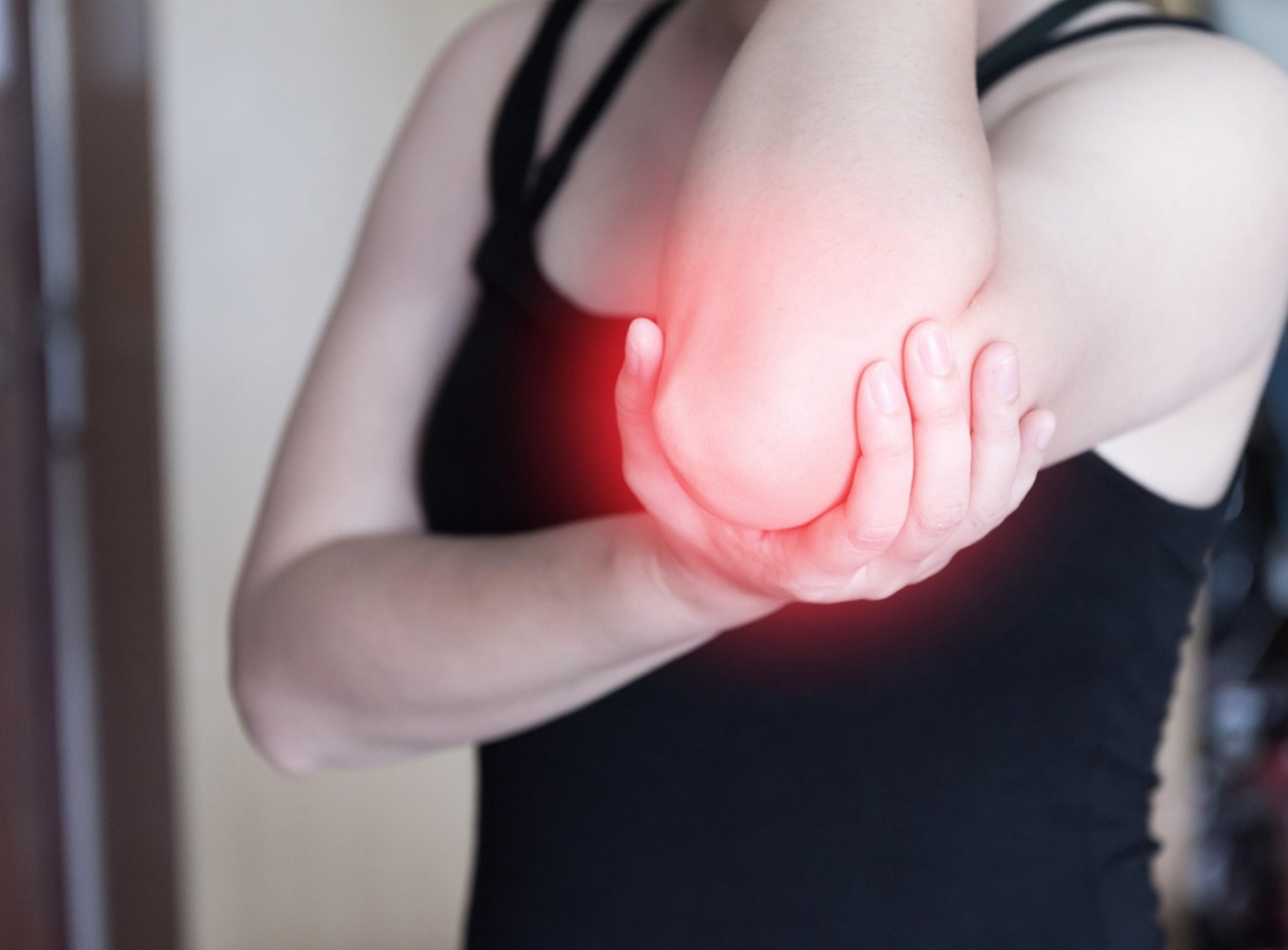
- Elbow Tendinitis (Tennis Elbow and Golfer’s Elbow): Typically causes pain on the outer or inner side of the elbow, especially when gripping objects or applying force through the wrist.
- Wrist Tendinitis and Tenosynovitis: May cause pain around the wrist or base of the thumb, as seen in conditions such as De Quervain’s tenosynovitis.
- Patellar Tendinopathy: Causes pain below the kneecap and commonly affects individuals who frequently run or jump.
- Achilles Tendinopathy: Causes pain or stiffness along the back of the ankle or above the heel, particularly during walking, running, or standing on tiptoe.
Although symptoms vary depending on the affected tendon, these conditions are often associated with excessive mechanical loading or inappropriate patterns of physical activity.
How Does Tendinitis Affect Daily Life?
Tendons play an essential role in nearly every movement of the body.
When a tendon becomes painful or dysfunctional, ordinary activities such as getting dressed, holding a pen, climbing stairs, or exercising may become difficult.
In the early stages, some individuals experience pain only after strenuous activity. However, continuing activities that aggravate the condition without adjusting the level of physical stress may cause symptoms to become more frequent and interfere with daily functioning.
In chronic cases, tendon abnormalities may reduce the tissue’s ability to tolerate mechanical loads, potentially requiring a longer rehabilitation period.
Nevertheless, tendinitis does not necessarily mean that a tendon has torn. Many individuals can return to normal activities with appropriate treatment and rehabilitation.
Causes and Risk Factors of Tendinitis
Tendinitis often develops through a combination of factors, particularly when the mechanical demands placed on a tendon exceed its ability to adapt and recover.
1. Repetitive Movements
Repeatedly using the same muscle and tendon groups, such as during lifting, tool handling, gripping, or sports activities, may increase cumulative stress on the tendons.
The risk depends on several factors, including the intensity, frequency, and duration of activity, as well as an individual’s recovery capacity.
2. Excessive Physical Activity
Rapidly increasing running distance, speed, jumping frequency, or resistance-training loads without allowing sufficient adaptation time may increase the risk of tendon injury.
3. Improper Movement Techniques
Work-related movements or exercise techniques that place excessive stress on certain tendons may contribute to symptoms, particularly when combined with high-intensity or repetitive activities.
4. Increasing Age
As people age, the structure and mechanical properties of tendons may change, potentially affecting their ability to adapt to physical stress and recover after activity.
However, tendinitis can also affect younger individuals, especially athletes and those who frequently perform repetitive or physically demanding tasks.
5. Inadequate Recovery
Repeatedly placing high demands on tendons without sufficient recovery time may impair their ability to adapt effectively to mechanical loading.
6. Underlying Medical Conditions and Certain Medications
Certain medical conditions, including diabetes, may be associated with tendon disorders.
Additionally, fluoroquinolone antibiotics, such as ciprofloxacin and levofloxacin, have been associated with an increased risk of tendon injury or rupture in certain patients.
Individuals who develop tendon pain while taking these medications should promptly consult a physician or pharmacist for appropriate evaluation.
Symptoms of Tendinitis
The symptoms of tendinitis vary depending on the affected tendon and the severity of the condition.
Common symptoms include:
- Pain around a tendon or joint: Pain often increases during movement or physical exertion.
- Localized tenderness: The affected area may be painful when touched or pressed.
- Mild swelling: Some individuals experience swelling around the affected tendon.
- Stiffness when beginning movement: This may be particularly noticeable after waking up or resting for extended periods.
- Pain after physical activity: Symptoms may worsen following exercise or strenuous movements.
- Reduced mobility: Pain or decreased strength may limit the ability to move normally.
Some individuals notice that their pain temporarily improves after warming up but returns or worsens following activity.
Therefore, temporary pain relief should not be interpreted as a sign that it is safe to immediately increase exercise intensity.
When Should You Seek Immediate Medical Attention?
Although most cases of tendinitis are not medical emergencies, certain symptoms may indicate a more serious injury or complication.
Seek prompt medical attention if you experience:
- Sudden, severe pain following physical exertion or injury.
- A popping or snapping sound at the time of injury.
- Inability to walk, bear weight, stand on tiptoe, or use the affected limb normally.
- Significant swelling or visible deformity around the injured area.
- Severe redness, warmth, swelling, and pain, particularly when accompanied by fever.
These symptoms may indicate tendon rupture, infection, or another injury requiring urgent medical evaluation.
How Is Tendinitis Diagnosed?
Tendinitis is usually diagnosed through a medical history and physical examination.
A healthcare professional will assess the location of pain, activity patterns, duration of symptoms, and factors that improve or worsen the condition.
Medical History and Physical Examination
The physician may ask about occupational activities, exercise habits, previous injuries, underlying medical conditions, and current medications.
The physical examination may include assessing localized tenderness, range of motion, muscle strength, and tendon function.
Additional Diagnostic Tests
In some cases, imaging studies may be recommended.
- Ultrasound: Helps evaluate tendon structure and identify certain abnormalities, including tendon tears.
- Magnetic Resonance Imaging (MRI): Provides detailed images of tendons, muscles, and surrounding soft tissues.
- X-ray: Helps identify bone abnormalities or other conditions that may produce symptoms similar to tendinitis.
Not every patient requires imaging. The decision depends on the symptoms and findings from the physical examination.
Treatment Options for Tendinitis
The main goals of tendinitis treatment are to relieve pain, restore the tendon’s ability to tolerate mechanical stress, and help patients safely return to their normal activities.
Treatment depends on the affected tendon, severity of symptoms, duration of the condition, underlying medical problems, and clinical evaluation.
1. Rest and Activity Modification
During painful episodes, individuals should reduce or avoid activities that aggravate symptoms, such as heavy lifting, running, jumping, or repetitive wrist movements.
However, rest does not necessarily mean completely avoiding movement for an extended period.
Prolonged inactivity may contribute to muscle weakness and joint stiffness. As symptoms improve, movement and physical activity should gradually be resumed according to individual tolerance.
2. Pain-Relieving Medications
A physician or pharmacist may recommend pain-relieving medications, such as paracetamol (acetaminophen), or nonsteroidal anti-inflammatory drugs (NSAIDs), such as ibuprofen, for selected patients.
These medications may provide short-term symptom relief but do not address every underlying cause of tendon dysfunction.
Individuals with kidney disease, heart disease, stomach ulcers, a history of gastrointestinal bleeding, or those taking anticoagulant medications should consult a healthcare professional before using NSAIDs.
3. Physical Therapy
Physical therapy is an important component of tendon rehabilitation, particularly for individuals with persistent or recurrent symptoms.
A physical therapist may develop an individualized exercise program based on the affected tendon and the patient’s functional abilities.
Treatment may include resistance exercises and progressive loading, which gradually increase the amount of mechanical stress placed on the tendon.
Appropriate rehabilitation may improve muscle strength, tendon load tolerance, and the ability to perform daily activities.
4. Supportive Devices
Some patients may benefit from supportive devices, such as elbow straps, wrist braces, or other equipment designed to reduce mechanical stress on affected tendons.
These devices may help relieve symptoms during certain activities but should not replace long-term strengthening and rehabilitation programs.
5. Injections and Specialized Treatments
For severe or persistent symptoms that do not respond to initial treatment, physicians may consider additional interventions.
In selected conditions, corticosteroid injections around the affected tendon may provide short-term pain relief.
However, repeated corticosteroid injections may increase the risk of tendon weakening or rupture. Therefore, their use requires careful clinical consideration.
Other treatments, such as extracorporeal shockwave therapy, may be considered for certain tendon disorders, although effectiveness varies depending on the affected tendon and the nature of the condition.
6. Surgery
Surgery is not the primary treatment for most cases of tendinitis.
However, it may be necessary in selected situations, such as severe tendon rupture or persistent tendon disorders that do not respond to appropriate nonsurgical treatment.
How to Manage Tendinitis at Home
Individuals with mild symptoms may take several steps to relieve discomfort and support tendon recovery.
1. Reduce Painful Activities
Avoid forcing the affected tendon to perform activities that significantly worsen pain, particularly heavy or repetitive movements during a flare-up.
2. Apply Cold Compresses
Apply an ice pack wrapped in a thin towel to the affected area for approximately 15–20 minutes at a time.
Cold compresses may help relieve pain and swelling. Ice should never be placed directly against the skin.
3. Maintain Appropriate Movement
As pain decreases, begin gentle movements within a comfortable range to help prevent joint stiffness and maintain mobility.
4. Adjust the Work Environment
Individuals who use computers or perform repetitive tasks should adjust their workstations and equipment to reduce unnecessary stress on muscles and tendons.
Taking regular breaks during prolonged activities may also be helpful.
5. Gradually Increase Activity Levels
Once symptoms improve, avoid immediately returning to strenuous exercise.
Instead, gradually increase the duration, intensity, and frequency of physical activities.
If pain significantly increases during or after activity, reduce the workload and consult a healthcare professional.
How to Prevent Tendinitis and Reduce Recurrence
Although tendinitis cannot always be prevented, appropriate physical conditioning and activity management may help reduce the risk of tendon injuries.
Warm Up Before Exercise
Begin with light movements and gradually increase exercise intensity to prepare the muscles and tendons for physical activity.
Strengthen Your Muscles
Regular strength training tailored to individual abilities may improve the body’s capacity to tolerate mechanical stress during daily activities and exercise.
Avoid Sudden Increases in Exercise Intensity
Individuals beginning a new exercise program or returning to sports after a prolonged break should gradually increase their activity levels.
Allowing the body sufficient time to adapt may reduce the risk of tendon overload.
Allow Adequate Recovery Time
Recovery periods between strenuous activities are important for tissue adaptation, particularly for athletes and individuals performing physically demanding or repetitive tasks.
Use Appropriate Movement Techniques
Learning proper exercise techniques, selecting suitable equipment, and modifying work-related movements may help reduce unnecessary stress on certain tendons.
How Long Does Tendinitis Take to Heal?
Recovery time varies depending on the affected tendon, severity of the condition, and duration of symptoms.
Individuals with mild symptoms may begin to improve within approximately two to three weeks with appropriate care.
However, chronic tendon disorders may require several months of rehabilitation.
Importantly, reduced pain does not necessarily mean that the tendon has fully regained its strength and load-bearing capacity.
Returning to strenuous activities should therefore be based on mobility, strength, functional ability, and response to rehabilitation rather than pain relief alone.
If symptoms do not improve within a few weeks or frequently return, medical evaluation is recommended.
Who Should Consult a Healthcare Professional?
Medical evaluation is recommended for individuals who experience:
- Tendon pain that persists for several weeks without improvement.
- Pain that interferes with work, sleep, or daily activities.
- Recurrent symptoms after exercise or repetitive activities.
- Limited joint mobility or increasing weakness.
- Underlying medical conditions, such as diabetes, or a history of tendon injury.
- Tendon pain while taking medications associated with tendon disorders.
Early assessment may help identify the underlying cause and support an appropriate treatment and rehabilitation plan.
Conclusion
Tendinitis is a condition involving inflammation or irritation of a tendon, often associated with repetitive movements, excessive mechanical loading, or physical injury.
It can affect several areas of the body, including the shoulders, elbows, wrists, knees, and Achilles tendons.
Common symptoms include pain during movement, localized tenderness, swelling, and stiffness.
Treatment generally focuses on activity modification, pain management, and physical therapy to restore tendon strength and function.
Warming up before exercise, gradually increasing physical activity, and allowing adequate recovery time may help reduce the risk of tendinitis and recurrence.
Individuals experiencing persistent or severe pain, or symptoms suggesting a tendon rupture, should seek medical evaluation for an accurate diagnosis and appropriate treatment.
Prepared by: Asst. Prof. Parador Wongwikarn, M.D.
References
- National Health Service (NHS). Tendonitis.
- Mayo Clinic. Tendinitis – Diagnosis and Treatment.
- American Academy of Orthopaedic Surgeons (AAOS). Sprains, Strains, and Other Soft-Tissue Injuries.