 TH
 EN
 CN
 JAP
 AR
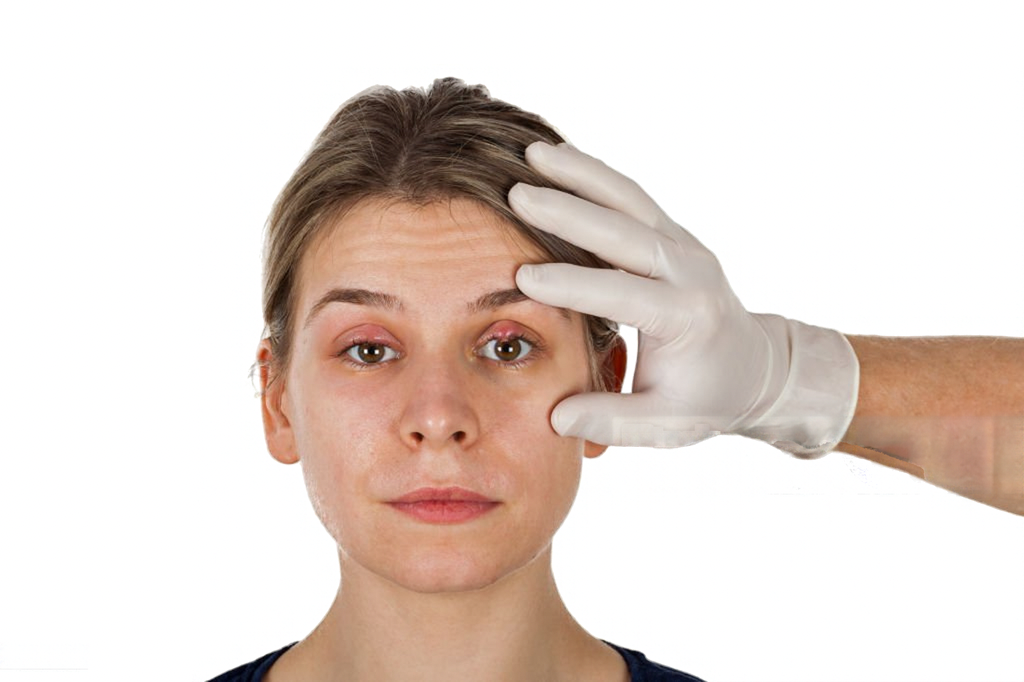
Hordeolum (Stye): Causes, Symptoms, Treatment, and Prevention
Swelling, redness, tenderness along the eyelid margin, or a small pimple-like bump on the eyelid may be signs of a hordeolum, commonly known as a stye. This is a common condition that can affect people of all ages. Although most cases are mild and resolve within a relatively short period, improper care may worsen the inflammation or lead to complications.
Some people believe that styes develop from excessive eye strain or certain behaviors associated with traditional myths. However, medically, a hordeolum is primarily associated with a bacterial infection involving the glands or hair follicles of the eyelid.
Understanding the causes, symptoms, and appropriate management of a stye can help relieve discomfort and reduce the risks associated with improper treatment.
What Is a Hordeolum (Stye)?
A hordeolum is an acute bacterial infection and inflammation of a gland or hair follicle in the eyelid. It is commonly associated with bacteria of the Staphylococcus species.
The infection typically causes a red, swollen, tender bump, sometimes accompanied by a localized collection of pus.
A stye may develop on either the upper or lower eyelid, and multiple lesions can occasionally occur.
Hordeola are generally classified into two types.
1. External Hordeolum
An external hordeolum develops when an infection affects an eyelash follicle or one of the glands located near the base of the eyelashes.
It typically appears as a small, red bump along the eyelid margin, resembling a pimple or a small boil.
A visible pus-filled tip may develop, and the affected area is often painful when touched.
2. Internal Hordeolum
An internal hordeolum occurs when an infection develops within a meibomian gland, an oil-producing gland located inside the eyelid.
These glands produce the oily component of the tear film, helping reduce tear evaporation and maintain ocular surface moisture.
Patients may experience swelling and tenderness deeper within the eyelid, without a clearly visible pustule on the outer surface.
In some cases, an internal hordeolum may cause more extensive inflammation than an external hordeolum and require evaluation by an ophthalmologist.
Causes and Risk Factors of Hordeolum
The primary cause of a hordeolum is a bacterial infection affecting the eyelid glands or hair follicles.
Several factors may increase the likelihood of developing a stye, including:
- Touching the eyes with unclean hands: This may introduce bacteria to the eyelid area.
- Inadequate eyelid hygiene: Dirt, debris, and oily secretions may accumulate along the eyelid margins.
- Using contaminated eye makeup: Sharing mascara, eyeliner, or other eye cosmetics may increase bacterial exposure.
- Improper contact lens hygiene: Handling contact lenses without washing the hands may introduce microorganisms.
- Chronic blepharitis: Persistent inflammation of the eyelid margins may interfere with normal gland function and increase the risk of styes.
- Meibomian gland dysfunction: Abnormal oil secretion and gland blockage may contribute to inflammation.
- Certain skin conditions: Rosacea, for example, may be associated with dysfunction of the eyelid’s oil-producing glands.
However, a hordeolum can occur even in individuals who maintain good hygiene. Developing a stye does not necessarily indicate poor personal cleanliness.
Symptoms of Hordeolum
Symptoms may vary depending on the location and severity of the infection.
Common signs and symptoms include:
- A red bump or localized swelling along the eyelid margin
- Pain or tenderness around the affected area
- Redness and swelling of the eyelid
- A small pus-filled bump resembling a pimple
- Excessive tearing
- Eye irritation or a sensation of something being in the eye
- Crusting or discharge around the eyelid margin
Symptoms usually develop relatively quickly over several days.
In some cases, eyelid swelling may become significant enough to make opening the eye uncomfortable.
A hordeolum generally does not directly impair vision. However, noticeable blurred vision or significant pain inside the eye requires medical evaluation to rule out other potentially serious conditions.
Hordeolum vs. Chalazion: What Is the Difference?
A hordeolum is frequently confused with a chalazion because both conditions can produce a lump on the eyelid.
However, they differ in their underlying causes, symptoms, and clinical progression.
| Feature | Hordeolum (Stye) | Chalazion |
|---|---|---|
| Cause | Acute bacterial infection | Blockage and inflammation of an oil gland |
| Pain | Usually painful and tender | Usually painless unless inflamed |
| Appearance | Red, swollen bump that may contain pus | Relatively firm eyelid lump |
| Onset | Usually develops rapidly | Typically develops gradually |
| Duration | Often improves within 1–2 weeks | May persist for weeks or months |
In some cases, an internal hordeolum may eventually develop into a chalazion after the acute inflammation subsides.
If an eyelid lump persists, fails to decrease in size, or repeatedly develops in the same location, an ophthalmologist should evaluate it to determine the underlying cause.
Is a Hordeolum Dangerous?
Most cases of hordeolum are mild and improve within approximately 1–2 weeks, particularly with appropriate care.
However, if the infection spreads into the surrounding tissues, it may cause complications such as preseptal cellulitis, an infection of the eyelid and surrounding soft tissues that requires medical treatment.
More serious complications are uncommon, but rapidly spreading redness and swelling should not be ignored.
Fever, severe eye pain, or changes in vision may indicate a more serious condition requiring prompt medical attention.
How Is a Hordeolum Diagnosed?
A hordeolum is usually diagnosed through a medical history and physical examination of the eyelid.
A healthcare professional may assess:
- The location of the swollen or reddened area
- The degree of tenderness and duration of symptoms
- The presence of pus or inflammation along the eyelid margin
- A history of recurrent styes
- Associated conditions such as blepharitis or skin disorders
Blood tests and laboratory investigations are generally unnecessary when the clinical presentation is typical of an uncomplicated hordeolum.
However, additional examinations may be considered if symptoms are severe, recurrent, or suggest complications.
Treatment of Hordeolum
Treatment depends on the location of the infection, severity of inflammation, and response to initial management.
1. Warm Compresses
Applying warm compresses is a commonly recommended first-line home care measure for uncomplicated styes.
Warmth may help promote drainage of glandular secretions and relieve discomfort associated with inflammation.
How to apply a warm compress:
- Wash your hands thoroughly before touching the eye area.
- Soak a clean washcloth in comfortably warm water, avoiding excessive heat.
- Close the affected eye and gently place the cloth over the eyelid for approximately 5–10 minutes.
- Repeat the process 3–4 times daily, as appropriate.
- Rewarm the washcloth when it cools.
Avoid using excessively hot water, as the skin around the eyelids is delicate and can easily become irritated or burned.
2. Medication
Not every hordeolum requires antibiotic treatment.
Many uncomplicated styes improve with conservative care, particularly warm compresses and proper eyelid hygiene.
In certain situations, a physician may prescribe topical or oral antibiotics, especially when the infection spreads to surrounding tissues or is associated with additional bacterial complications.
Medication selection depends on the clinical findings and the physician’s assessment.
Patients should avoid self-medicating with antibiotics or steroid-containing eye drops without professional guidance.
3. Incision and Drainage
If a hordeolum develops a significant collection of pus, fails to improve, or causes persistent inflammation, a physician may recommend a minor procedure to drain the affected area.
This procedure should only be performed by an appropriately trained healthcare professional.
Patients should never attempt to squeeze, puncture, or drain a stye themselves, as doing so may damage the eyelid and increase the risk of spreading the infection.
How to Care for a Stye at Home
In addition to warm compresses, appropriate eyelid care may help reduce irritation and support recovery.
Recommended measures include:
- Wash your hands regularly and keep the eyelid area clean.
- Avoid rubbing or frequently touching the affected eye.
- Stop using eye makeup until the inflammation resolves.
- Avoid wearing contact lenses while symptoms are present and use glasses instead.
- Do not share towels, washcloths, or eye cosmetics.
- Never squeeze or press on a pus-filled bump.
- Follow your physician’s instructions if medication has been prescribed.
Avoid applying herbal preparations, oils, or substances not intended for ophthalmic use to the eyelid, as these products may cause irritation or increase the risk of infection.
When Should You Seek Medical Attention?
Although most styes are not serious, certain symptoms require immediate medical evaluation.
Seek urgent medical attention if you experience:
- Reduced vision or unusual blurred vision
- Severe pain inside the eye
- Pain or difficulty when moving the eye
- Significant eyelid swelling or redness spreading around the eye
- Fever accompanied by swelling and redness around the eye
- Bulging of the eye or abnormal eye movements
For less severe cases, medical evaluation is recommended if symptoms do not begin improving after approximately 48 hours of home care or if the stye has not resolved within 1–2 weeks.
Individuals with diabetes, weakened immune systems, or frequent recurrent infections should seek medical advice early, particularly if swelling and redness worsen.
How to Prevent Hordeolum
Although styes cannot always be prevented, maintaining good eyelid hygiene and avoiding certain risk factors may help reduce their occurrence.
Maintain Good Hand Hygiene
Wash your hands thoroughly with soap and clean water before touching your eyes, particularly before inserting or removing contact lenses.
Practice Safe Eye Makeup Habits
Avoid sharing eye cosmetics, discard expired products, and remove eye makeup thoroughly before bedtime.
Use Contact Lenses Properly
Clean, disinfect, and store contact lenses according to the manufacturer’s instructions and your eye care professional’s recommendations.
Never use tap water to clean contact lenses.
Manage Chronic Eyelid Inflammation
People with blepharitis or meibomian gland dysfunction should maintain appropriate eyelid hygiene and follow their ophthalmologist’s recommendations.
Avoid Rubbing Your Eyes
Frequent eye rubbing may cause irritation and transfer dirt or bacteria to the eyelid area.
Frequently Asked Questions About Hordeolum
Is a stye contagious?
A stye is not generally considered highly contagious in the same way as respiratory infections.
However, bacteria associated with the infection may spread through contact with contaminated secretions or personal items.
Avoid sharing towels, washcloths, and eye cosmetics to reduce potential bacterial transmission.
Can a stye go away on its own?
Yes. Many styes resolve naturally within approximately 1–2 weeks.
Warm compresses and proper eyelid hygiene may help relieve symptoms and support recovery.
If symptoms persist or worsen, medical evaluation is recommended.
Can I wear contact lenses if I have a stye?
It is best to avoid wearing contact lenses until the inflammation has completely resolved.
Contact lenses may increase irritation and make it more difficult to maintain proper eye hygiene during recovery.
Is it true that looking at someone secretly causes a stye?
No. This is a traditional myth with no scientific evidence supporting it.
A stye develops because of bacterial infection and inflammation involving the glands or hair follicles of the eyelid. It is not caused by looking at another person or object.
Why do styes keep coming back?
Recurrent styes may be associated with chronic blepharitis, meibomian gland dysfunction, or other underlying risk factors.
If a stye repeatedly develops, especially in the same location, an ophthalmologist should evaluate the eyelid to identify the cause and rule out other conditions that may resemble a stye.
Conclusion
A hordeolum, commonly known as a stye, is an acute bacterial infection involving the glands or hair follicles of the eyelid. It typically causes a painful, red, swollen bump that may contain pus.
Most cases are mild and resolve within approximately 1–2 weeks.
Warm compresses, proper eyelid hygiene, and avoiding attempts to squeeze or puncture the affected area are important components of initial care.
Antibiotics are not necessary for every patient and should be used only when clinically indicated.
If redness and swelling spread, severe eye pain develops, vision changes occur, or fever accompanies the symptoms, prompt medical evaluation is essential to identify and manage possible complications.
Prepared by: Pharmacist Punyanuch Angkanawin
References
- American Academy of Ophthalmology. What Is the Difference Between a Stye and a Chalazion? (2026)
- Merck Manual Professional Edition. Chalazion and Hordeolum (Stye) (2026)
- American Optometric Association. Hordeolum (Stye)