 TH
 EN
 CN
 JAP
 AR
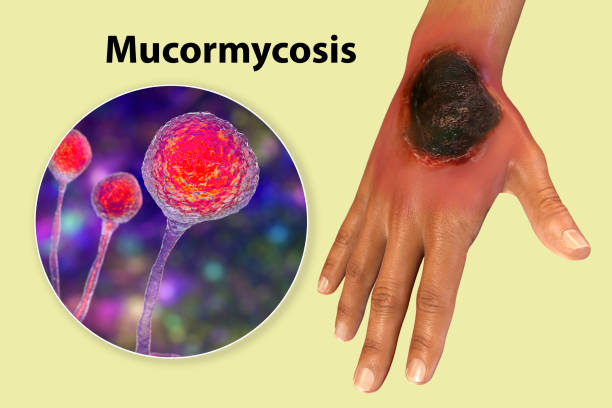
Mucormycosis is a rare fungal infection that can cause severe disease and progress rapidly, particularly in people with weakened immune systems or certain underlying conditions, such as poorly controlled diabetes, cancer, or those who have undergone organ transplantation.
The fungi that cause mucormycosis are commonly found in the environment. Most people are therefore exposed to these fungi in everyday life without becoming ill. However, when the body’s ability to fight infection is impaired, the fungi may invade tissues and blood vessels, potentially causing serious damage to different organs.
What Is Mucormycosis?
Mucormycosis is an infection caused by fungi belonging to the order Mucorales. These fungi are commonly found in the environment, particularly in soil, leaves, compost piles, and decaying organic matter. Rhizopus species are among the most common causes, although other fungi within the same group can also cause the infection.
People may become infected by inhaling fungal spores from the air. When spores enter the respiratory tract, infection can develop in the sinuses or lungs. The fungi can also enter the body through cuts, burns, or other injuries to the skin and cause cutaneous infection. Gastrointestinal infection from ingesting contaminated food or other materials is less common.
Although these fungi are widespread in the environment, mucormycosis does not spread from person to person, and most healthy people do not develop the disease after everyday exposure.
Why Can Mucormycosis Become Serious?
One of the important characteristics of mucormycosis is the ability of the fungi to invade blood vessels in infected tissues. When blood flow becomes impaired, the affected tissue may not receive enough oxygen and nutrients, potentially leading to tissue death.
The infection most commonly affects the sinuses and lungs, but it can also involve the skin, gastrointestinal tract, or spread to other organs.
Rhino-orbital-cerebral mucormycosis is an important form of the disease involving the nose, sinuses, eyes, and brain. The infection may begin in the nose or sinuses before spreading to tissues around the eyes and eventually the brain. Prompt diagnosis and treatment are therefore essential.
Who Is at Risk of Mucormycosis?
Mucormycosis is relatively uncommon in people with normal immune systems. The risk increases when the body’s ability to fight infection is weakened or when certain medical conditions create an environment that makes infection more likely.
Important risk factors include:
- Diabetes, particularly poorly controlled diabetes or diabetic ketoacidosis
- Cancer
- Neutropenia, or a low level of neutrophils
- Organ transplantation or hematopoietic stem cell transplantation
- Long-term corticosteroid use
- Excessive iron levels in the body
- Severe injuries, burns, or surgical wounds
- Malnutrition
- Premature birth
- Severe COVID-19, particularly when other risk factors are also present
Having one or more of these risk factors does not mean that a person will definitely develop mucormycosis. However, people in these groups should be more alert to unusual or rapidly progressing symptoms.
Symptoms of Mucormycosis
The symptoms of mucormycosis vary depending on where the infection develops.
When the infection affects the sinuses, eyes, and brain, symptoms may include fever, headache, nasal congestion or sinus pressure, swelling on one side of the face, and changes in vision. In some cases, black lesions may develop on the bridge of the nose or inside the mouth.
When the lungs are affected, symptoms can resemble those of other respiratory infections and may include fever, cough, chest pain, and shortness of breath. Because these symptoms are not specific to mucormycosis, the condition cannot be diagnosed from symptoms alone.
Cutaneous mucormycosis may begin at the site of a wound. The affected area may become painful, swollen, red, or warm. Blisters or ulcers may develop, and the infected tissue may become dark or black as tissue damage progresses.
Gastrointestinal mucormycosis is less common and may cause abdominal pain, nausea, vomiting, or gastrointestinal bleeding.
In people with severely weakened immune systems, the infection may spread from its original site to other parts of the body, particularly the brain, potentially causing neurological symptoms.
When Should You Seek Urgent Medical Attention?
Mucormycosis can progress rapidly, making early diagnosis and treatment particularly important for people with known risk factors.
Seek urgent medical attention if symptoms include:
- Rapid swelling of the face or around the eye, particularly on one side
- Changes in vision, blurred vision, or decreased vision
- Severe headache or sinus pain accompanied by fever
- Black lesions on the nose, inside the mouth, or on the skin
- A skin wound that rapidly becomes painful, swollen, red, or dark
- Fever, cough, chest pain, or difficulty breathing, particularly in someone with a weakened immune system
- Neurological symptoms such as confusion or changes in consciousness
People at increased risk should not simply wait for symptoms to improve on their own if they are severe or progressing rapidly. Mucormycosis requires medical assessment and treatment.
How Is Mucormycosis Diagnosed?
Diagnosing mucormycosis usually requires several types of information. A healthcare professional will review the patient’s medical history and risk factors, assess symptoms, and perform a physical examination before deciding which additional tests are appropriate.
Samples may be collected from the affected area, such as respiratory fluid, secretions, or tissue, for laboratory testing. Tissue biopsy plays an important role in determining whether fungi have invaded the tissue.
Imaging tests such as CT scans or MRI may also be used to determine the location and extent of infection, particularly when mucormycosis is suspected in the sinuses, eyes, brain, or lungs.
Because mucormycosis can progress rapidly, diagnostic evaluation and appropriate treatment should not be unnecessarily delayed when there is strong clinical suspicion of the disease.
Treatment of Mucormycosis
Mucormycosis requires treatment with antifungal medications that are active against the fungi responsible for the infection. Medications used in treatment may include amphotericin B, isavuconazole, or posaconazole. The choice of medication, route of administration, and duration of treatment depend on the location and severity of the infection, the patient’s overall health, and the treating physician’s assessment.
Some antifungal medications used for other fungal infections are not effective against the fungi that cause mucormycosis. Patients should therefore not attempt to treat suspected mucormycosis with over-the-counter or self-selected antifungal medications.
For many patients, antifungal medication alone may not be sufficient because the infection can interrupt blood supply and cause tissue death. Surgery may be required to remove infected or dead tissue and help control the spread of the disease. Some patients may require more than one surgical procedure.
Managing underlying risk factors is also an important part of treatment. This may include controlling blood glucose levels, treating diabetic ketoacidosis, or adjusting factors that suppress the immune system when this can be done safely. Any changes to corticosteroids or immunosuppressive medications must be made under medical supervision and should not be attempted without consulting a healthcare professional.
Reducing the Risk of Mucormycosis
Because the fungi that cause mucormycosis are common in the environment, completely avoiding exposure is difficult, and there is currently no way to prevent every case of the disease.
People at high risk may reduce exposure to large amounts of dust, soil, and organic material. For example, they may avoid construction sites or excavation areas when possible. If such areas cannot be avoided, an appropriate mask may help reduce exposure to airborne dust.
People with weakened immune systems should also take precautions when gardening or handling soil, compost, or other organic materials. Wearing long sleeves, long trousers, and gloves can help reduce direct contact. Cuts and wounds should be thoroughly cleaned with soap and water, particularly after exposure to soil or dust.
For people with diabetes, maintaining blood glucose levels according to their treatment plan is an important part of reducing risk. People taking corticosteroids or immunosuppressive medications should use them exactly as prescribed and should not increase, decrease, or stop their medication without medical advice.
Summary
Mucormycosis is a rare but potentially serious fungal infection. It occurs particularly in people with weakened immune systems, poorly controlled diabetes, cancer, or those who have undergone organ or hematopoietic stem cell transplantation.
The infection can affect several areas of the body, especially the sinuses, lungs, and skin. Symptoms therefore vary depending on the organs involved. Important warning signs include facial swelling, changes in vision, black lesions around the nose or inside the mouth, respiratory symptoms, and rapidly worsening skin wounds.
People with known risk factors who develop symptoms that may suggest mucormycosis should seek medical evaluation promptly. Early recognition, diagnosis, and appropriate treatment are important because the infection can progress rapidly and cause serious complications.
Prepared by: Punyanuch Angkanawin, Pharm.D.
References
- Centers for Disease Control and Prevention (CDC). Mucormycosis Basics
- Centers for Disease Control and Prevention (CDC). Mucormycosis Risk Factors
- Cornely OA, et al. Global guideline for the diagnosis and management of mucormycosis. The Lancet Infectious Diseases