 TH
 EN
 CN
 JAP
 AR
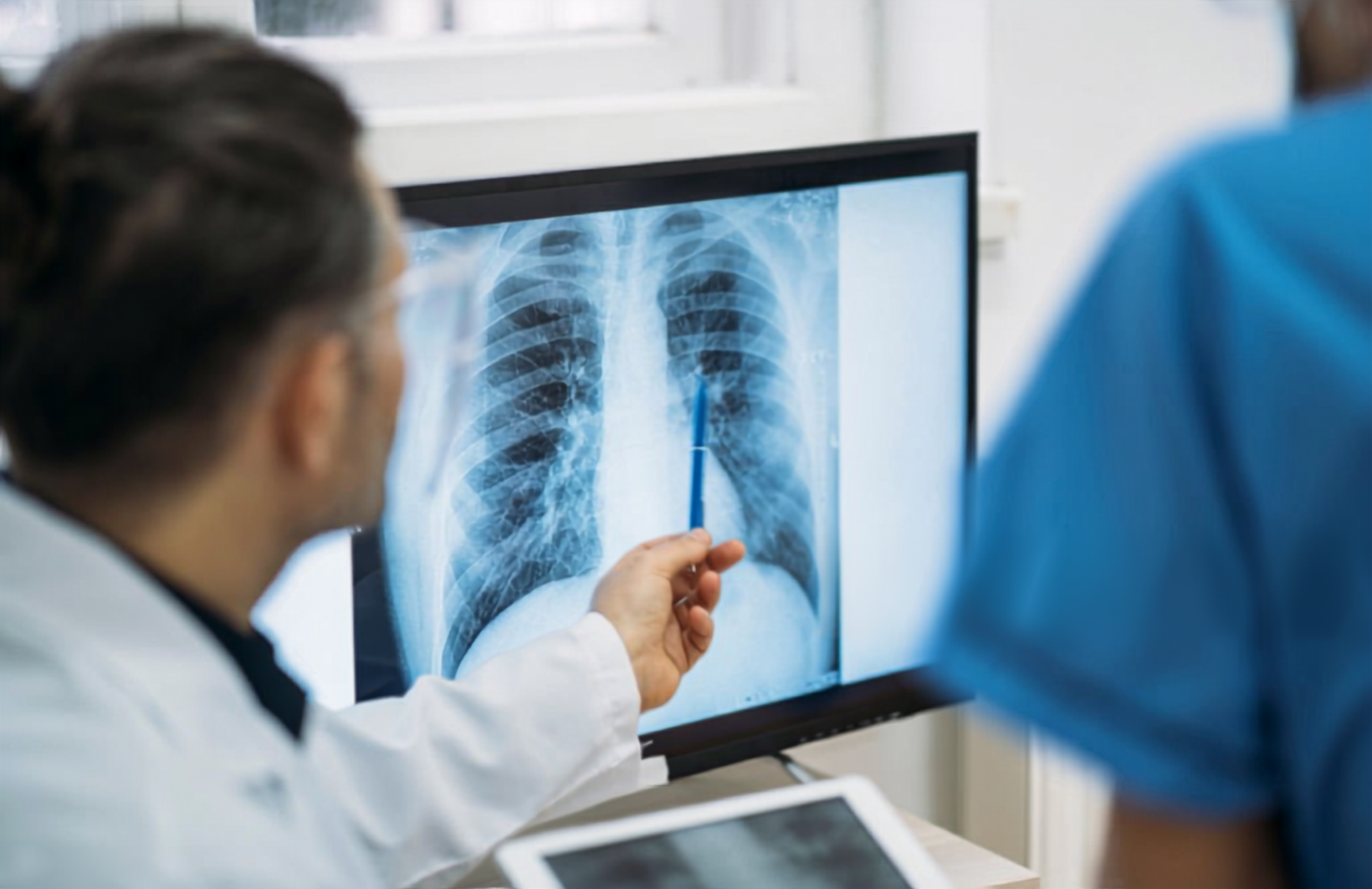
Cough, fever, or unusual fatigue may seem like a common cold or influenza, but in some people these symptoms may be signs of pneumonia, which can become serious. The risk is particularly important in young children, older adults, people with chronic diseases, and those with weakened immune systems. Recognizing symptoms and seeking medical assessment when warning signs appear can therefore be crucial.
What Is Pneumonia?
Pneumonia is inflammation of the lung tissue and the air sacs, or alveoli, inside the lungs. It is most commonly caused by bacterial or viral infections, while fungi and other organisms are less common causes.
During inflammation, the alveoli, which normally contain air, may fill with fluid, pus, and inflammatory cells. This reduces oxygen exchange and can make breathing difficult.
The severity of pneumonia ranges from mild illness that can be treated at home to severe disease requiring hospitalization or oxygen therapy. Pneumonia can affect people of any age, but the risk of complications is higher in very young children, older adults, and people with underlying medical conditions or weakened immune systems.
How Does Pneumonia Develop?
The respiratory system normally has several defenses against germs, including mucus, cilia lining the airways, the cough reflex, and the immune system.
If microorganisms overcome these defenses and reach the alveoli, they trigger inflammation. The body sends white blood cells and immune substances to fight the infection. This process causes fluid and inflammatory cells to collect in the alveoli, leading to symptoms such as cough, fever, chest pain, rapid breathing, or shortness of breath.
Some forms of pneumonia occur when food, saliva, or other secretions are accidentally inhaled into the lungs. This is known as aspiration pneumonia and is more common in people with swallowing problems, reduced consciousness, or certain neurological conditions.
Hospital-acquired pneumonia and ventilator-associated pneumonia may involve different organisms and often require different treatment approaches from community-acquired pneumonia.
Common Causes
Bacteria and viruses are the most common causes of pneumonia.
Bacterial causes may include Streptococcus pneumoniae and Mycoplasma pneumoniae.
Viruses that can cause pneumonia include influenza viruses, respiratory syncytial virus (RSV), SARS-CoV-2, which causes COVID-19, and other respiratory viruses.
Fungal pneumonia is less common and is particularly relevant in people with weakened immune systems or specific risk factors.
In practice, the exact organism causing pneumonia cannot always be identified. Treatment decisions are therefore based on a combination of symptoms, disease severity, age, underlying conditions, exposure history, and relevant test results.
Symptoms to Watch For
Symptoms of pneumonia can vary depending on the cause, age, and overall health of the patient. Common symptoms include:
- Cough with or without sputum
- Fever or chills
- Fatigue
- Rapid breathing
- Shortness of breath
- Chest pain that may worsen with deep breathing or coughing
Some people may also experience nausea, vomiting, diarrhea, or general weakness.
In older adults, symptoms may be less typical than in younger people. Some may not develop a high fever but may instead become unusually drowsy, confused, or weak.
Infants and young children may breathe rapidly, feed poorly, become irritable or unusually sleepy, or have labored breathing. Rapidly worsening symptoms or difficulty breathing should be assessed promptly by a healthcare professional.
Who Is at Higher Risk?
Although anyone can develop pneumonia, some groups are at higher risk. These include:
- Young children, especially those under 5 years of age
- Adults aged 65 years and older
- People with chronic lung disease, heart disease, liver disease, or diabetes
- People whose immune systems are weakened by illness or certain medications
- Smoking and heavy alcohol use can also increase the risk of pneumonia
People who are hospitalized, particularly those in intensive care units or those using mechanical ventilation, are at increased risk of certain types of pneumonia.
People with swallowing difficulties or conditions that make aspiration more likely are also at higher risk of aspiration pneumonia.
Possible Complications
Many people recover from pneumonia without complications. In severe cases, however, the infection may lead to complications such as:
- Low blood oxygen levels
- Respiratory failure
- Fluid or pus around the lungs
- Lung abscess
- Bloodstream infection that can spread to other organs
The risk of complications is higher in older adults, people with chronic medical conditions, and those with weakened immune systems.
Diagnosis
Doctors diagnose pneumonia by evaluating symptoms, medical history, and physical examination findings, including listening to the lungs and checking vital signs.
If pneumonia is suspected, a chest X-ray may be performed to assess the location and extent of inflammation.
Blood tests, oxygen level measurements, or sputum testing may also be used in selected cases. The tests required depend on the severity of illness and each patient's risk factors.
Treatment
Treatment depends on the cause and severity of pneumonia.
If bacterial pneumonia is suspected or confirmed, a doctor may prescribe antibiotics.
Viral pneumonia should not automatically be treated with antibiotics because antibiotics do not work against viruses. In some cases, a specific antiviral medicine may be appropriate.
Rest, adequate fluid intake, and fever control as advised by a healthcare professional are also important parts of supportive care.
People with severe symptoms, such as low blood oxygen levels, significant breathing difficulty, low blood pressure, or complications, may need hospitalization for oxygen, intravenous fluids, antimicrobial treatment, or respiratory support as required.
Antibiotics should not be self-prescribed or used without appropriate medical advice because inappropriate use may fail to treat the true cause and can contribute to antimicrobial resistance.
When Should You Seek Medical Attention?
Medical attention should be sought if you develop any of the following:
- Difficulty breathing
- Chest pain
- Persistent high fever
- Severe cough or unusual sputum
- Extreme weakness
- Symptoms that are not improving as expected
Severe shortness of breath, bluish lips or fingertips, marked drowsiness, confusion, or reduced consciousness require urgent medical evaluation.
Young children, older adults, people with chronic heart or lung disease, those with weakened immune systems, and people taking immunosuppressive medicines should generally seek medical advice sooner because pneumonia can worsen rapidly in these groups.
Prevention and Self-Care
Vaccination appropriate for a person's age and risk factors can help reduce the risk of infections that may lead to pneumonia. Examples include:
- Pneumococcal vaccines
- Influenza vaccines
- Vaccines or preventive immunization against certain respiratory infections when indicated
Vaccine choices should follow recommendations from national health authorities or the patient's healthcare professional.
Other preventive measures include washing hands regularly, covering the mouth and nose when coughing or sneezing, avoiding close contact with people who are ill, reducing exposure to tobacco smoke, quitting smoking, and keeping chronic medical conditions well controlled.
People with respiratory infections should rest and take steps to reduce transmission to others, especially older adults, young children, and people with weakened immune systems.
Summary
Pneumonia is inflammation of the lung tissue, most often caused by infection, and its severity can range from mild to life-threatening.
Important symptoms include cough, fever, chest pain, rapid breathing, and shortness of breath, particularly in young children, older adults, people with chronic illnesses, and those with weakened immune systems.
Appropriate treatment depends on the underlying cause, and not every patient with pneumonia requires antibiotics.
Vaccination when appropriate, good hygiene, avoiding smoking, and seeking medical care when warning signs develop are key measures for reducing the risk of pneumonia and preventing serious complications.
Prepared by: Punyanuch Angkanawin, Pharm.D.
References
- World Health Organization (WHO). Pneumonia
- Centers for Disease Control and Prevention (CDC). About Pneumonia
- Centers for Disease Control and Prevention (CDC). Pneumonia Prevention and Control
- Mayo Clinic. Pneumonia: Symptoms and causes
- Mayo Clinic. Pneumonia: Diagnosis and treatment