5 จำนวนผู้เข้าชม |
14/07/2026
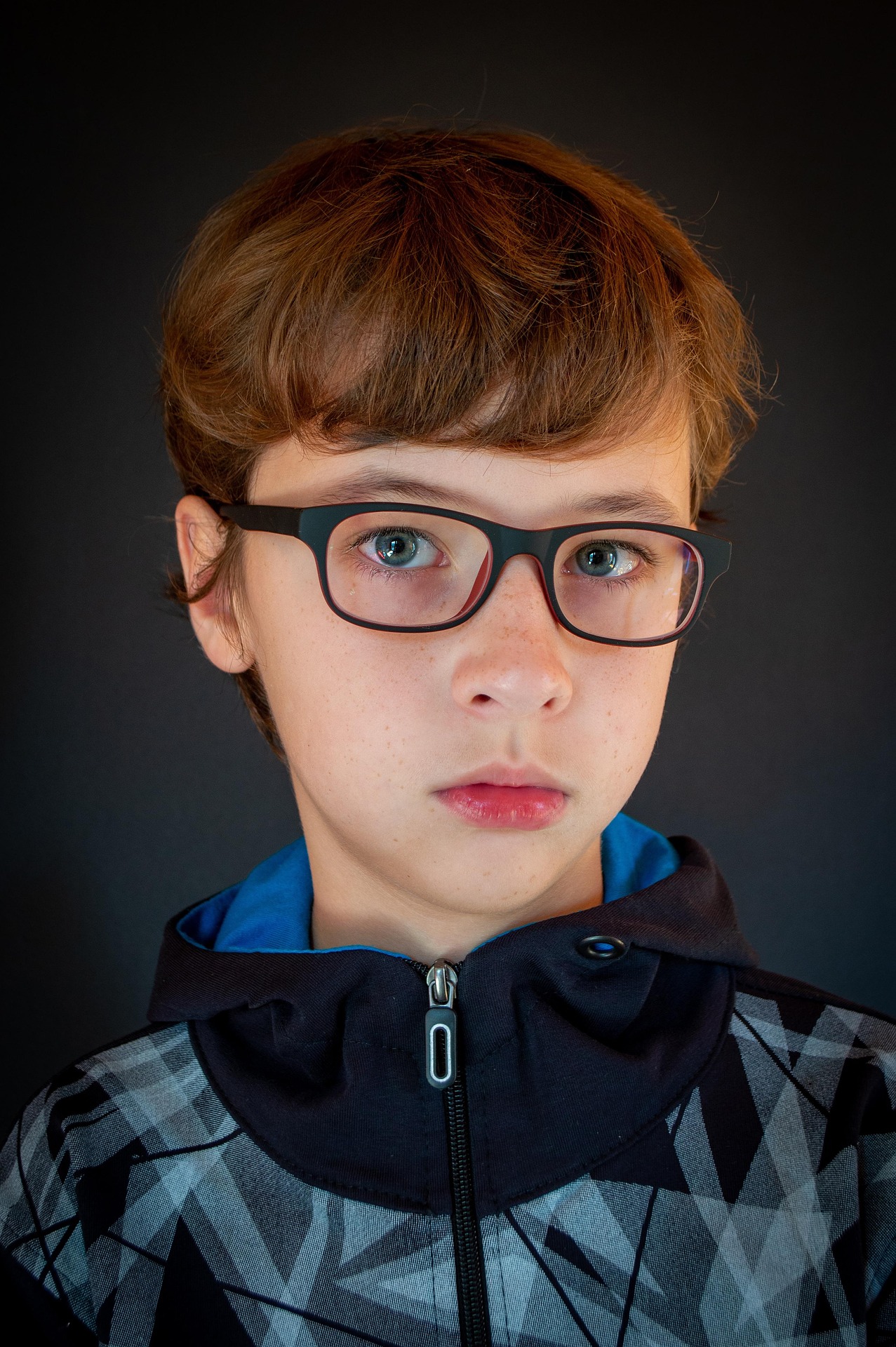
Blurred distance vision is a common problem, especially after reading, working on a computer, or using a mobile phone continuously for a long period of time. Some people may begin to think that they are becoming nearsighted and need to get new glasses right away.
However, blurred distance vision is not always caused by true myopia. In some cases, it may be a condition called "pseudomyopia," which occurs when the focusing mechanism of the eyes remains temporarily engaged. This can make distance vision appear blurred, similar to true nearsightedness. This condition can occur in people who use their eyes for near work for long periods, such as students, office workers, or those who use mobile phones and tablets continuously with little eye rest. Understanding this condition is important because if vision is measured while the eyes are still in a state of excessive focusing, the prescription may not reflect the true refractive status of the eyes, which may lead to wearing glasses that are not appropriate.
Pseudomyopia is a condition in which the eyes show symptoms similar to myopia, but it is not caused by an abnormally elongated eyeball or structural abnormalities of the cornea or lens, as seen in true myopia.
Normally, when we look at a nearby object, an internal eye muscle called the ciliary muscle contracts to help the lens adjust its focus, allowing near objects to appear clear. When we shift our gaze to a distant object, this muscle should relax so that the lens can return to its appropriate state for clear distance vision. However, if the eyes are used for near work continuously for too long, the ciliary muscle may become tense or remain in a state of excessive focusing, so that vision may remain blurred when looking into the distance.
A common feature is that blurred distance vision may occur intermittently, especially after prolonged near work, and may improve after resting the eyes. This differs from true myopia, which usually causes persistent blurred distance vision. Possible symptoms include:
However, it is not advisable to determine whether the condition is true myopia or pseudomyopia based on symptoms alone. A proper eye examination and vision assessment are recommended, especially in children, teenagers, or people whose prescription changes rapidly.
Pseudomyopia is often associated with excessive use of the eye's focusing system, or delayed relaxation of the focusing muscles after prolonged near work. Common contributing factors include:
Apart from heavy eye use, in some uncommon cases, pseudomyopia or accommodative spasm may be associated with abnormalities of the nervous system, especially the parasympathetic nervous system. This part of the autonomic nervous system plays a role in the contraction of internal eye muscles, pupil function, and focusing of the lens. If this system is overstimulated, the focusing muscles may contract or remain tense, leading to blurred distance vision that resembles myopia.
Associated conditions may include head or brainstem injury, encephalitis, meningitis, certain neurological disorders that affect the control of eye focusing, certain types of intraocular inflammation, and the effects of some medications that influence the nervous system, pupils, or lens function.
However, neurological or brain-related causes are much less common than behavioral causes related to eye use. Therefore, blurred distance vision alone should not be self-diagnosed as a neurological condition. Greater attention is needed if other abnormal symptoms occur, such as severe headache, double vision, weakness of the arms or legs, marked dizziness, sudden eye misalignment, or a rapid change in vision. If these symptoms occur, a doctor or ophthalmologist should be consulted promptly for proper evaluation.
Diagnosing pseudomyopia requires an appropriate eye examination. It should not be concluded from trying glasses or having a single vision measurement, especially when eye strain is present or after heavy eye use. An eye care professional may evaluate the history of eye use, the characteristics of the symptoms, how long they have been present, how often they occur, and the results of vision testing. If accommodative spasm is suspected, additional tests may be performed to assess the eye's focusing function.
In some cases, especially in children, teenagers, or people whose prescription changes quickly, the doctor may consider measuring vision after using eye drops that temporarily relax accommodation. This helps distinguish whether the measured prescription reflects true myopia or a temporary change caused by accommodative spasm. These eye drops should only be used under the supervision of medical professionals and should not be purchased or used independently.
Preventing pseudomyopia focuses on reducing the focusing burden on the eyes and improving eye-use habits, especially in people who read, work on computers, or use screens for long periods each day.
It is not advisable to rush into getting new glasses based on a single vision measurement taken while the eyes are tired. An examination by an ophthalmologist or optometrist is recommended to determine whether the cause is true myopia, pseudomyopia, or another eye health problem.
An ophthalmologist or eye care professional should be consulted if blurred distance vision continues or recurs frequently, symptoms do not improve after resting the eyes, eye pain or headache occurs often, the prescription changes unusually quickly, or glasses do not provide clear or comfortable vision.
In children and teenagers, parents should watch for behaviors such as frequent squinting, sitting too close to the screen, holding books close to the face, difficulty seeing the board, or complaining of headaches after studying or reading. If these signs are present, an appropriate eye examination is recommended.
Immediate medical attention is needed if there is sudden blurred vision or vision loss, double vision, sudden eye misalignment, severe headache, weakness of the arms or legs, slurred speech, marked dizziness, or other neurological symptoms.
Pseudomyopia is a temporary condition in which the eyes remain in a state of excessive focusing, causing blurred distance vision similar to true myopia. It often occurs after prolonged near work, such as reading, using a computer, or looking at a mobile phone continuously with little eye rest.
Although this condition is often related to eye-use habits, in some uncommon cases it may be associated with abnormalities of the nervous system or certain brain-related conditions. If abnormal symptoms occur together with vision changes, medical evaluation is recommended. Regular eye rest, proper lighting and screen distance, adequate sleep, and eye examinations when symptoms occur are important steps that may help reduce the chance of pseudomyopia and support long-term eye health.
Prepared by: ภญ. ปุณยนุช อังคะนาวิน
References:,García-Montero M, Felipe-Márquez G, Arriola-Villalobos P, Garzón N. Pseudomyopia: A Review. Vision (Basel). 2022, National Eye Institute. Nearsightedness (Myopia), Cleveland Clinic. Myopia (Nearsightedness): Causes, Symptoms & Treatment
© 2026 Siammerx Co., Ltd
 TH
TH EN
EN CN
CN JAP
JAP AR
AR