48 จำนวนผู้เข้าชม |
18/06/2026
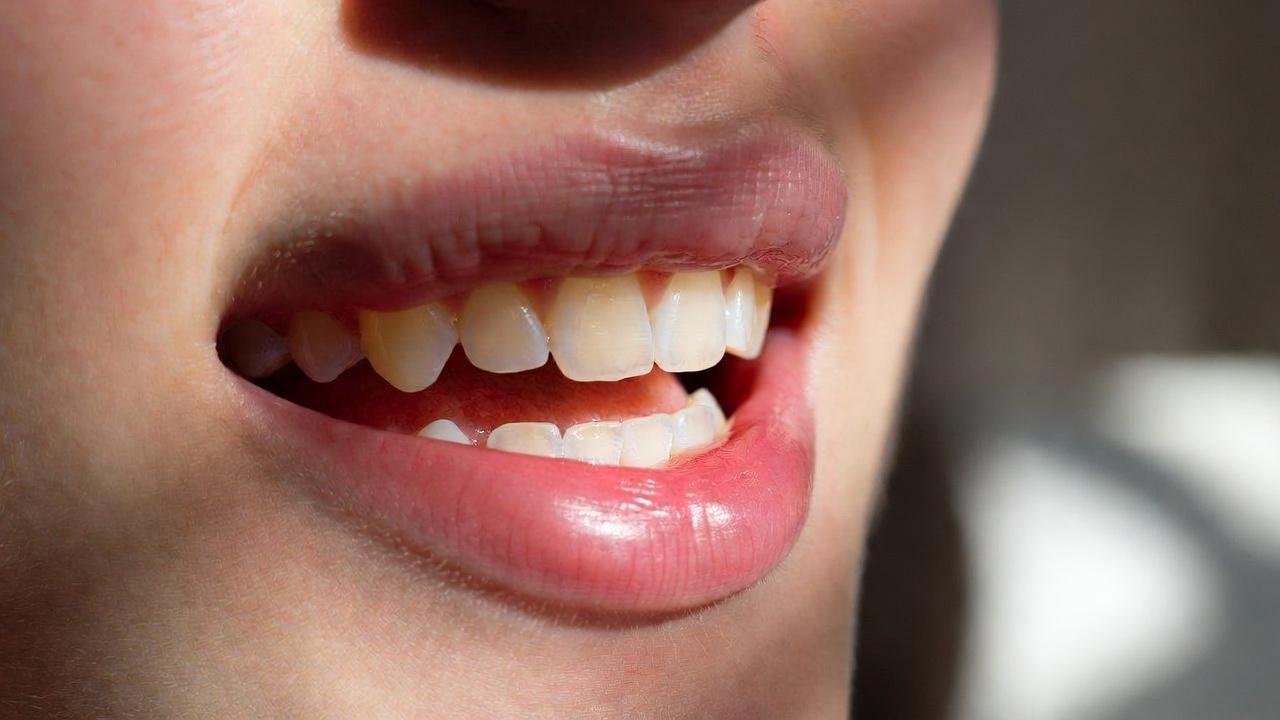
Dental calculus, also known as tartar, is a hardened deposit of microbial plaque that accumulates on the tooth surface and along the gum line over time. As minerals in saliva—such as calcium and phosphate—infiltrate the plaque, it calcifies into a hard crust that cannot be removed by brushing alone.
Calculus can form both above and below the gum line. If left untreated for an extended period, it can negatively affect gum and tooth health and increase the risk of various oral diseases.
1. Accumulation of microbial plaque and food debris
Bacteria in the mouth react with proteins and food residues to form a soft, sticky film called dental plaque (Plaque), which adheres to tooth surfaces, interdental spaces, and the gum line.
2. Mineral deposits from saliva
When plaque is not removed consistently, minerals in saliva—such as calcium and phosphate—accumulate and calcify within it. Once hardened into calculus, it can no longer be brushed away at home.
3. Additional risk factors
Other factors that may increase the likelihood of calculus formation include:
Allowing calculus to build up in the mouth can cause a range of health problems, including:
1. Gingivitis and periodontitis
Bacteria harbored in calculus release substances that trigger gum inflammation, causing symptoms such as red, swollen gums, bleeding during brushing, gum recession, and bad breath. Left untreated, the condition may progress to periodontitis, which damages the bone and connective tissue that hold the teeth in place.
2. Tooth decay
Bacteria in plaque and calculus produce acids that erode tooth enamel, leading to cavities. If the decay reaches the dental pulp, root canal treatment or tooth extraction may be necessary.
3. Loose teeth and tooth loss
Long-term calculus buildup can destroy the alveolar bone and supporting tissue, resulting in gum recession, tooth mobility, or eventual tooth loss requiring extraction.
4. Impact on appearance and confidence
Calculus is a common cause of bad breath, yellowed teeth, and brown or black stains in the gaps between teeth, all of which can undermine confidence in social and professional settings.
5. Possible association with systemic diseases
Chronic oral inflammation from gum disease and calculus may be associated with certain systemic conditions, such as cardiovascular disease. However, this relationship requires further study and does not mean calculus is a direct cause of these diseases.
Once plaque has hardened into calculus, it cannot be removed by brushing alone. Removal requires specialized dental instruments, and the safe, evidence-based method is professional scaling by a dentist.
Attempting to remove calculus at home carries significant risks, including gum injury, infection, inflammation, mouth sores, and incomplete removal—particularly of subgingival deposits below the gum line that are not visible or accessible without professional assessment.
While hardened calculus must be removed professionally, its formation can be prevented by minimizing plaque buildup through the following practices:
No, dental scaling does not thin or wear down the teeth. Scaling instruments use high-frequency vibration to dislodge calculus from the tooth surface without damaging the enamel or underlying tooth structure.
Some patients notice that their teeth appear to have wider gaps after scaling. This is not caused by the procedure itself—rather, it reflects pre-existing gum recession or tissue loss that was previously hidden beneath calculus deposits.
After professional scaling, it is normal to experience temporary tooth sensitivity, minor gum bleeding, and a feeling of tightness or mild irritation around the gums. These effects typically resolve within a few days. If symptoms are severe or persist, consult your dentist.
Dentists generally recommend scaling every 6 months to reduce calculus buildup and prevent gum disease. However, the ideal frequency varies from person to person based on factors such as the rate of calculus accumulation, gum health, oral hygiene habits, smoking, and certain underlying medical conditions.
Dental calculus forms when plaque hardens due to mineral deposits from saliva and cannot be removed by brushing alone. If left untreated, it can lead to gingivitis, tooth decay, loose teeth, and bad breath. The best prevention is consistent oral hygiene and professional scaling every 6 months.
If you notice calculus buildup, gum inflammation, bleeding gums, or any other oral abnormality, consult your dentist promptly for appropriate evaluation and treatment.
Author: Dr. Wirojrat Rattanaparikhon, D.D.S.
References:,Alpaca Dental Clinic,Sivalee Dental,Smile and Co Dental Clinic,BFC Dental
© 2026 Siammerx Co., Ltd
 TH
TH EN
EN CN
CN JAP
JAP AR
AR