10 จำนวนผู้เข้าชม |
17/06/2026
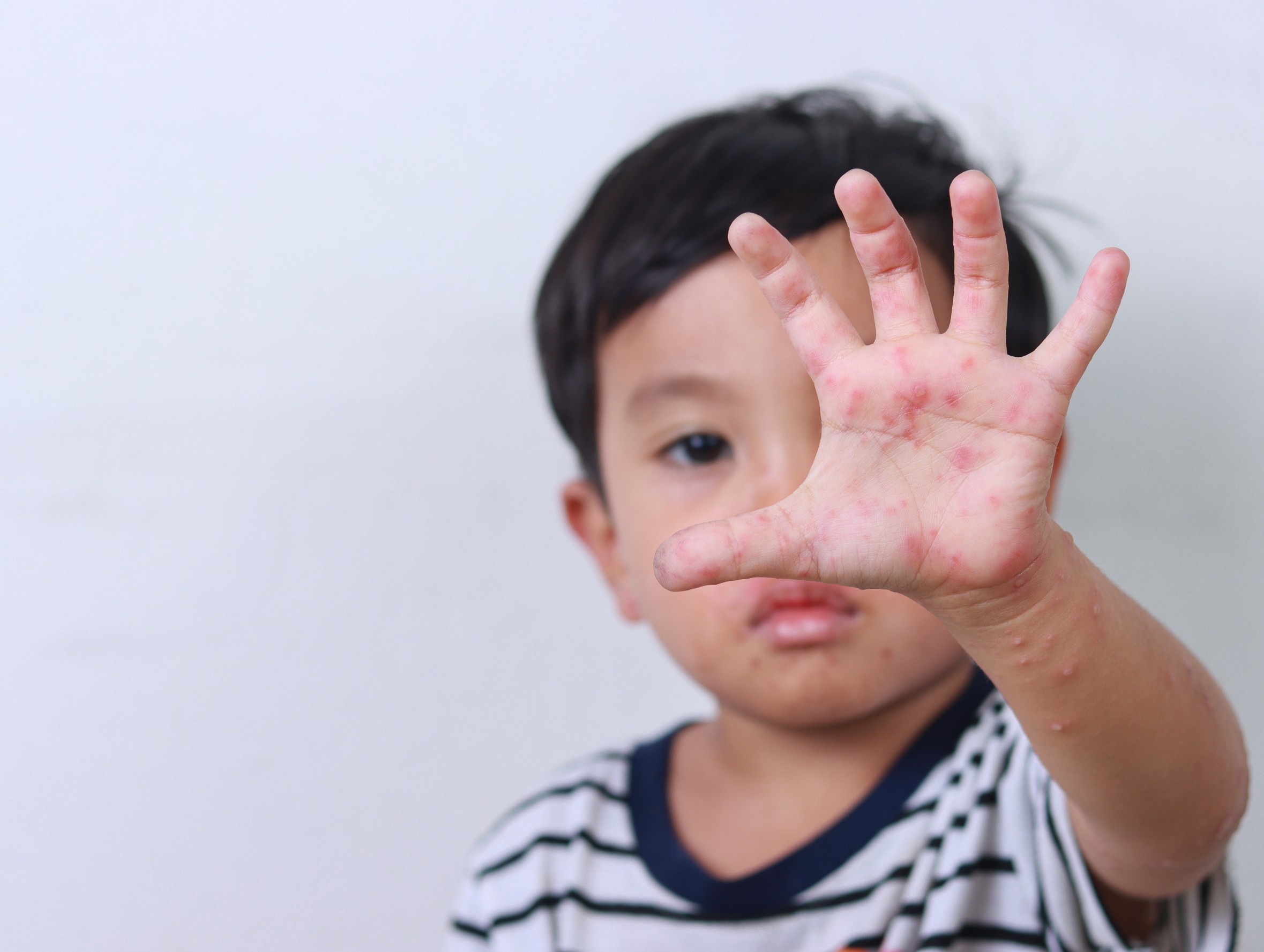
Hand, Foot, and Mouth Disease, or HFMD, is a viral infection commonly found in young children, particularly those under 5 years old. Outbreaks of this disease are often seen in places where many children gather together, such as kindergartens, daycare centers, or childcare facilities.
While most cases of HFMD are mild and resolve on their own within about 7 to 10 days, the disease spreads easily, particularly during the early stages of illness. Some children may develop mouth sores severe enough to reduce their food and fluid intake, putting them at risk of dehydration.
Understanding the symptoms, causes, transmission routes, basic care guidelines, and warning signs that warrant a doctor's visit is therefore important for parents and caregivers.
HFMD is a viral infection caused by non-polio enteroviruses. Common causative viruses include Coxsackievirus A16 and other types of enterovirus.
The disease typically causes fever, sore throat, sores or blisters in the mouth, and a rash or blisters on the palms of the hands and soles of the feet. Some cases may also involve a rash on the buttocks, legs, or other parts of the body.
HFMD is not the same disease as foot-and-mouth disease in animals. Although the names may sound similar, they are entirely different diseases caused by different groups of viruses.
Young children are particularly susceptible to infection because their immune systems are still developing. Children at this age also commonly put toys and objects in their mouths, share items with others, and have close contact with peers at school or daycare.
In addition, diaper changing, shared bathroom use, and incomplete handwashing can make it easier for the virus to spread. As a result, the disease often occurs in clusters or outbreaks within schools and childcare centers.
While HFMD is most common in children, adults can also become infected. Some adults may have mild symptoms or none at all, but can still spread the virus to others.
HFMD is caused by infection with enteroviruses, most commonly Coxsackievirus A16 and Enterovirus 71, along with other types of enterovirus.
The virus can enter the body through the mouth, nose, or contact with an infected person's bodily fluids, such as saliva, nasal discharge, phlegm, fluid from blisters, or stool.
The incubation period for HFMD is generally around 3 to 6 days after exposure. Children may initially develop fever, sore throat, loss of appetite, or general discomfort before mouth sores and a rash appear.
HFMD spreads from person to person in several ways, particularly through close contact with an infected person or contaminated surfaces.
Common routes of transmission include:
Infected individuals are usually most contagious during the first week of illness. However, the virus may continue to be present in stool for several weeks after symptoms improve. Hand washing and good hygiene should therefore continue even after the rash or sores begin to heal.
Symptoms of HFMD can vary from person to person. Some children experience the full range of symptoms, while others may have only a mild fever and a few spots.
Commonly observed symptoms include:
The rash from HFMD is usually not itchy, though some cases may involve blisters or tenderness at the rash sites. Mouth sores are often the main reason children refuse to eat or drink.
In general, symptoms gradually improve within 7 to 10 days. If a child's symptoms last longer than this, or worsen, they should be seen by a doctor.
Most cases of HFMD are not severe, but parents should monitor symptoms closely. A child should be seen by a doctor if any of the following occur:
If severe symptoms occur, such as seizures, extreme drowsiness, difficulty breathing, or suspected severe dehydration, go to the hospital immediately.
Complications from HFMD are uncommon but can occur, particularly in young children or those with more severe illness.
Complications to be aware of include:
Doctors generally diagnose HFMD based on the patient's symptom history, age, the appearance of the rash and mouth sores, and any history of contact with infected individuals or outbreaks at school.
Laboratory testing is generally not required in every case. However, in certain situations, such as severe symptoms, unclear presentation, suspicion of another condition, or complications, a doctor may consider additional testing as appropriate.
There is currently no specific antiviral treatment for HFMD in typical cases. The main approach to care is managing symptoms and preventing dehydration.
Care may include:
If a child has a high fever, severe mouth pain, cannot drink fluids, or shows any unusual symptoms, they should be seen by a doctor. Medications or topical treatments for the mouth should not be used without consulting a healthcare professional.
HFMD spreads easily, but the risk of transmission can be reduced through consistent good hygiene practices.
Recommended prevention measures include:
During outbreaks, schools and childcare centers should increase the frequency of cleaning shared areas, screen children for fever or rash, and notify parents if a case is identified in the classroom.
Hand, Foot, and Mouth Disease is a common viral infection in young children, particularly in schools and daycare settings. Common symptoms include fever, sore throat, mouth sores, and a rash or blisters on the hands, feet, or buttocks.
Most cases are mild and resolve on their own within 7 to 10 days, but dehydration should be watched for, particularly in children whose mouth sores limit fluid intake. If a child is younger than 6 months old, has a high fever, becomes drowsy, has seizures, cannot drink fluids, or does not improve within 10 days, they should be seen by a doctor.
Key prevention measures include proper handwashing, cleaning shared toys and surfaces, avoiding sharing personal items with someone who is sick, and keeping a sick child home until symptoms improve, following the guidance of a doctor or school.
References Centers for Disease Control and Prevention. About Hand, Foot, and Mouth Disease., Mayo Clinic. Hand-foot-and-mouth disease: Symptoms and causes., Cleveland Clinic. Hand, Foot and Mouth Disease.
© 2026 Siammerx Co., Ltd
 TH
TH EN
EN CN
CN JAP
JAP AR
AR