 TH
 EN
 CN
 JAP
 AR
Hypothermia: Symptoms, Causes, and Proper First Aid
When we feel so cold that we start shivering, many of us assume that wrapping ourselves in a blanket or moving somewhere warm will be enough. However, prolonged exposure to cold can cause the body to lose more heat than it can produce, potentially leading to a condition known as hypothermia. This condition can affect the functioning of the brain, heart, and other vital organs.
Hypothermia is not limited to countries with snow or extremely cold temperatures. It can occur even in Thailand, particularly when someone becomes soaked in rain, remains in cold water for an extended period, or wears wet clothing in cold, windy conditions.
One important concern is that people experiencing hypothermia may not realize something is wrong. Exposure to severe cold can affect thinking, judgment, and the body’s ability to respond appropriately. Recognizing the warning signs and knowing how to provide proper assistance are therefore essential.
Emergency Medical Warning
If you suspect that you or someone else is experiencing hypothermia, seek emergency medical assistance immediately, especially if symptoms include confusion, slurred speech, severe drowsiness, abnormal breathing, or loss of consciousness. In Thailand, emergency medical services can be reached by calling 1669.
While waiting for help, prevent further heat loss, handle the person gently, and avoid hot baths, massaging the arms or legs, or applying intense heat directly to the body.
What Is Hypothermia?
Hypothermia is a condition in which the body’s internal temperature drops below 35°C, compared with a normal body temperature of approximately 37°C.
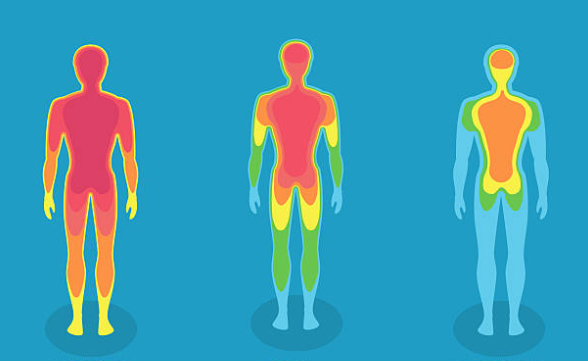
The human body has natural mechanisms that continuously regulate its temperature. When exposed to cold, the body attempts to reduce heat loss by narrowing blood vessels near the skin’s surface. The muscles may also contract repeatedly, causing shivering that helps generate additional warmth.
However, when exposure to cold continues for too long, or the body loses heat faster than it can replace it, these temperature-regulating mechanisms may become insufficient.
As internal body temperature continues to fall, the functions of various organs may gradually become impaired. Early symptoms may include shivering and fatigue, while more severe cases can progress to confusion, slowed breathing, or loss of consciousness.
Hypothermia is therefore different from simply feeling cold. It is not merely temporary discomfort caused by low temperatures, but a medical condition involving an abnormal reduction in internal body temperature that requires appropriate evaluation and care.
Why Does Low Body Temperature Affect Your Health?
The body’s organs need to function within an appropriate temperature range. When body temperature falls too low, several vital systems may be affected.
The Brain and Nervous System
Severe cold may slow brain function. Some individuals may begin experiencing difficulty thinking clearly, slurred speech, memory problems, or reduced coordination.
A particularly important concern is that affected individuals may be unable to assess their own condition accurately. As a result, they may fail to seek assistance even when their health is deteriorating.
The Heart and Circulatory System
When body temperature drops significantly, the heart rate may slow. In severe cases, abnormal heart rhythms may develop.
The Respiratory System
Breathing may become slower or shallower depending on the severity of hypothermia. In advanced cases, the ability to breathe and the functioning of other organs may also be affected.
For these reasons, observing changes in behavior, speech, movement, and breathing is just as important as checking whether someone is shivering.
What Causes Hypothermia?
Many people believe that hypothermia only develops in extremely cold environments. In reality, several situations can cause the body to lose an unusually large amount of heat.
1. Prolonged Exposure to Cold Weather
Spending extended periods outdoors in cold conditions without appropriate clothing may cause the body to lose heat continuously, especially when exposed to cold winds.
2. Falling Into or Remaining in Cold Water
Exposure to cold water is particularly concerning because the body can lose heat through water more quickly than through cold air.
People who fall into cold water or remain submerged for extended periods may therefore be at risk, even when the surrounding air temperature is not extremely low.
3. Wearing Wet Clothing
Clothing soaked by rain or sweat may increase body heat loss, particularly in windy or cold environments.
For example, becoming soaked during a hike and then remaining outdoors for several hours may cause body temperature to fall more than expected.
4. Staying in an Excessively Cold Home
Hypothermia can also occur indoors, particularly among older adults and infants who spend extended periods in cold rooms without adequate clothing or blankets.
5. Drinking Alcohol
Some people believe that drinking alcohol helps keep the body warm. However, alcohol can increase heat loss and reduce the ability to recognize or respond appropriately to cold temperatures.
In addition, fatigue and dehydration may make it more difficult for the body to cope with cold environments.
What Are the Warning Signs and Symptoms of Hypothermia?
Hypothermia symptoms may develop gradually, sometimes making them difficult for affected individuals or those around them to notice. The severity of symptoms depends on body temperature and each person’s overall physical condition.
Symptoms That May Appear in the Early Stages
- Feeling cold and experiencing shivering.
- Skin that feels cold or appears paler than usual.
- Unusual tiredness, fatigue, or weakness.
- Reduced hand coordination or difficulty holding objects.
- Unsteady walking or poorly coordinated movements.
- Slow or slurred speech.
- Unusual drowsiness.
These symptoms may resemble ordinary fatigue or general discomfort. However, if they develop after exposure to cold air or water, hypothermia should be considered as a possible cause.
Symptoms That May Appear as the Condition Worsens
As the body continues to lose heat, more concerning symptoms may develop, including:
- Confusion or incoherent speech.
- Problems with memory or awareness.
- Slow or shallow breathing.
- A weak or unusually slow pulse.
- Severe drowsiness or difficulty waking the person.
- Shivering that stops despite the body remaining abnormally cold.
- Loss of consciousness.
Stopping shivering does not necessarily mean that the body has become warm again. If a person remains unusually cold and has other abnormal symptoms, the absence of shivering may indicate that hypothermia is becoming more severe.
However, not everyone with hypothermia experiences all these symptoms, and symptoms alone should not be used to make a diagnosis.
Symptoms in Infants May Differ From Those in Adults
Young children, particularly infants, may not show obvious shivering in the same way adults do. Caregivers should watch for signs such as:
- Skin that feels cold to the touch.
- Unusually red skin in some cases.
- Unusual quietness, lethargy, or reduced movement.
- Limpness or reduced muscle tone.
- Excessive sleepiness.
- Refusal to feed or reduced milk intake.
If an infant develops these symptoms after exposure to cold, medical evaluation should be sought promptly rather than waiting for the symptoms to improve on their own.
Who Is at Greater Risk of Hypothermia?
Although hypothermia can affect anyone, certain groups may face a higher risk, including:
- Older adults: Particularly those who live alone, have underlying medical conditions, or spend extended periods in cold rooms.
- Infants and young children: Their ability to regulate body temperature differs from that of adults.
- People who spend extended periods outdoors: Such as hikers, mountain climbers, and individuals working in cold environments.
- People exposed to cold water: Including those who accidentally fall into water or must remain in it for extended periods.
- People who consume alcohol or use recreational drugs: These substances may impair awareness of physical symptoms and decision-making.
- People experiencing fatigue or dehydration: Especially when these conditions occur alongside exposure to cold weather.
Protecting vulnerable individuals should begin before symptoms appear. Providing an appropriately warm environment and suitable clothing is an important preventive measure.
How to Provide First Aid for Suspected Hypothermia
If someone becomes unusually cold after exposure to low temperatures and shows signs suggesting hypothermia, the first step is to call for emergency medical assistance immediately. Appropriate first aid should then be provided while waiting for emergency responders.
1. Carefully Move the Person Away From the Cold
If it is safe to do so, move the person to a warm, dry location.
If moving indoors is not possible, find shelter from the wind and place a blanket or other dry insulating material underneath the person to reduce heat loss through contact with the ground.
Handle the person gently. Avoid shaking, rough lifting, or making them exert unnecessary effort, especially if they are drowsy or confused. Sudden or forceful movements may increase the risk of abnormal heart rhythms.
2. Replace Wet Clothing With Dry Clothing
If the person’s clothing is wet, carefully remove it and replace it with dry clothing or cover them with dry blankets.
Reducing moisture exposure is an important step in preventing further body heat loss.
3. Use Blankets to Preserve Body Heat
Cover the person with several layers of dry blankets or other insulating materials. Keep the head and neck covered while leaving the face exposed to allow comfortable breathing.
If the person has severe symptoms, keep them lying flat when it is safe to do so and avoid unnecessary movement.
4. Gradually Warm the Trunk of the Body
If additional warmth is needed while waiting for medical assistance, warm—not hot—compresses may be applied to areas such as the chest, neck, or groin, taking care to prevent burns.
Avoid placing intense heat directly against the skin or attempting to raise body temperature too quickly.
5. Offer Warm Drinks Only if the Person Is Fully Alert
If the person is fully awake and able to sit, drink, and swallow normally, they may be offered a warm beverage without alcohol or caffeine, such as warm water or a warm drink containing sugar.
However, if the person is confused, drowsy, having difficulty swallowing, or unconscious, do not give food, water, or other drinks by mouth, as this may cause choking or aspiration.
6. Monitor Breathing and Stay With the Person Until Help Arrives
Continue monitoring whether the person remains responsive and is breathing normally.
If the person becomes unconscious, immediately check their responsiveness and breathing. If they are not breathing or are not breathing normally, notify emergency services and begin cardiopulmonary resuscitation (CPR) according to the emergency dispatcher’s instructions or your training.
In severe hypothermia, breathing may become extremely slow and difficult to detect. Therefore, do not assume that the person has died. Follow the instructions provided by emergency medical personnel carefully.
What Should You Avoid When Helping Someone With Hypothermia?
Although restoring warmth is important, inappropriate warming methods may cause further harm.
The following actions should be avoided:
- Do not place the person in a hot bath or immerse them in hot water. This may cause rapid changes in blood pressure and circulation, particularly in severe cases.
- Do not apply intense heat directly to the body. Heat lamps, heating pads, and other devices that produce excessive heat may cause skin burns.
- Do not vigorously rub or massage the arms and legs. Doing so may adversely affect circulation and heart function.
- Do not attempt to warm the arms and legs before the trunk. This may cause a further drop in core body temperature.
- Do not give alcoholic drinks. Alcohol does not treat hypothermia and may increase body heat loss.
- Do not force the person to walk or exercise to generate warmth. This is particularly important if they are weak, confused, or suspected of having severe hypothermia.
The purpose of first aid is to prevent the condition from worsening while waiting for medical assistance. It is not a substitute for professional medical treatment.
When Should You Go to the Hospital?
Hypothermia is a medical emergency that requires immediate medical evaluation whenever it is suspected. There is no need to wait until symptoms become severe or a thermometer confirms a body temperature below 35°C before seeking help.
Emergency medical assistance is especially important when any of the following signs occur:
- Abnormally cold skin accompanied by confusion or slurred speech.
- Severe drowsiness or difficulty waking the person.
- Unusually slow or shallow breathing.
- A weak or irregular pulse.
- Loss of consciousness or unresponsiveness.
- Shivering that stops even though the body remains extremely cold.
- An infant or older adult who feels cold and is unusually drowsy or less responsive than normal.
If these symptoms are present, call 1669 for emergency medical assistance in Thailand. Someone who is confused or severely weak should not be allowed to travel alone or drive themselves to the hospital.
How Do Doctors Diagnose and Treat Hypothermia?
When a person arrives at the hospital, doctors assess both their symptoms and the circumstances that led to cold exposure. These may include falling into water, spending time outdoors, or being exposed to low temperatures for an extended period.
The assessment may involve measuring core body temperature using appropriate equipment and checking breathing, pulse, blood pressure, and level of consciousness.
In some cases, doctors may also perform an electrocardiogram (ECG) or blood tests to evaluate the effects of hypothermia on the body and determine the severity of the condition.
Treatment Approaches
The main goal of treatment is to safely restore core body temperature to an appropriate level while monitoring for possible complications.
Depending on the patient’s condition, treatment options may include:
- Blankets or medical warming devices: To help the body gradually regain warmth.
- Warmed intravenous fluids: For some patients who require additional support to raise their internal body temperature.
- Oxygen therapy or breathing support: If the patient experiences respiratory difficulties.
- Specialized medical rewarming techniques: For patients with severe hypothermia.
If complications involving the heart or respiratory system develop, the patient may require treatment and close monitoring in a hospital.
The appropriate treatment depends on the severity of hypothermia, the patient’s age, underlying medical conditions, overall health, and the treating physician’s assessment.
How Can You Prevent Hypothermia in Everyday Life?
Preventing hypothermia begins with reducing situations in which the body may lose excessive heat, especially when spending extended periods in cold environments.
Choose Clothing That Suits the Weather
When traveling to cold destinations, wear several layers of clothing and choose outerwear that provides protection against wind and moisture. Make sure the head, hands, and feet are also adequately protected from the cold.
Change Wet Clothing as Soon as Possible
If your clothes become wet from rain or excessive sweating, change into dry clothing whenever possible, particularly before spending a long time in cold or windy conditions.
Avoid Prolonged Exposure to Cold
People participating in outdoor activities should take regular breaks in warm environments and prepare appropriate cold-weather protection based on the nature and duration of their activities.
Eat and Drink Enough
The body needs energy to maintain its temperature. Eating adequately and staying properly hydrated are therefore important parts of maintaining health during activities in cold weather.
Do Not Rely on Alcohol to Keep Warm
Although alcohol may create a temporary sensation of warmth, it does not help prevent hypothermia.
Take Extra Care of Older Adults and Infants
Maintain an appropriate indoor temperature and provide suitable clothing and blankets. Check that their bodies are not becoming excessively cold, and watch for unusual changes in behavior, especially among those who cannot clearly communicate that they feel cold.
Can Hypothermia Occur in Thailand?
Although Thailand has a predominantly warm climate, hypothermia can still occur.
Potentially risky situations include hiking in cold mountainous areas, becoming soaked in rain and then remaining exposed to strong winds, or falling into cold water and staying there for an extended period.
Older adults and infants who remain in cold rooms for long periods without adequate clothing or blankets may also be at risk.
Therefore, assessing the risk of hypothermia involves more than simply checking the air temperature. Moisture exposure, the duration of cold exposure, and the body’s ability to maintain warmth should also be considered.
Conclusion
Hypothermia occurs when the body loses more heat than it can replace, causing core body temperature to fall below 35°C. It may result from exposure to cold weather, immersion in cold water, or prolonged exposure to cold and damp conditions.
Possible symptoms include shivering, fatigue, cold skin, slurred speech, and reduced coordination. As the condition becomes more severe, confusion, slowed breathing, or loss of consciousness may occur.
Initial care should focus on preventing further heat loss, using dry blankets to preserve warmth, handling the person gently, and avoiding intense heat or massaging the arms and legs.
Most importantly, if hypothermia is suspected, emergency medical assistance should be sought immediately. Do not wait for symptoms to become severe, as timely and appropriate medical care may help reduce the risk of complications.
Prepared by: ภญ. ปุณยนุช อังคะนาวิน
References
- National Health Service (NHS). Hypothermia
- Centers for Disease Control and Prevention (CDC). Preventing Hypothermia
- Mayo Clinic. Hypothermia: Diagnosis and Treatment