Creatine: Benefits for Muscle, Brain Health, and Key Facts You Need to Know
What Is Creatine and How Does It Work?
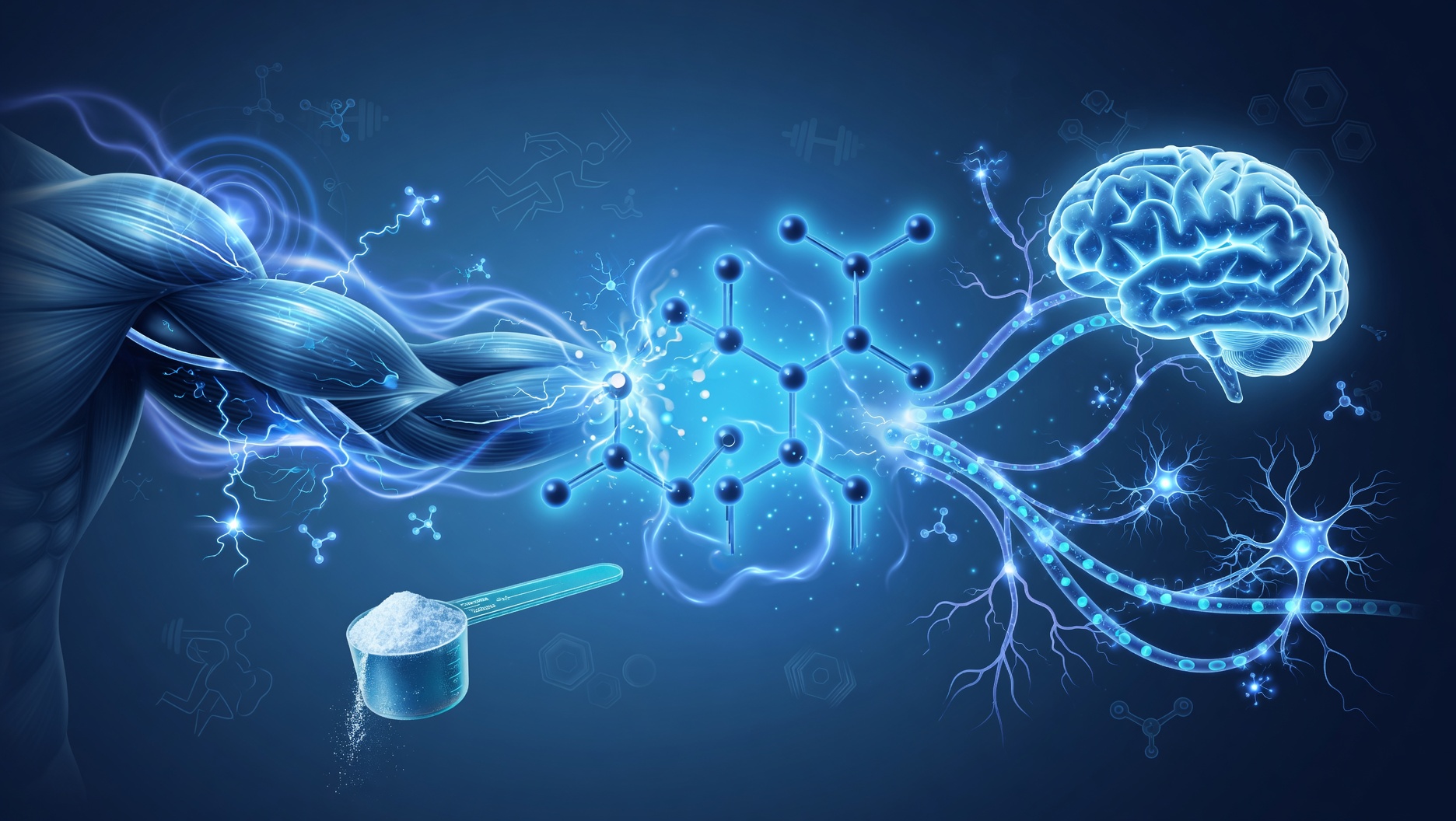
Creatine is a substance that the body can produce naturally through the kidneys and liver after consuming meat. In the muscles, creatine is converted into “creatine phosphate,” which helps produce Adenosine Triphosphate (ATP), the body’s main source of energy during explosive or high-intensity exercise performed over short periods of time.
Benefits Beyond Muscle Building
- Physical performance: Creatine is one of the most well-researched supplements and has been widely shown to help increase maximum strength and improve the body’s ability to tolerate intense exercise.
- Brain health: Current studies suggest that creatine may play an important role in supporting cognitive function and may help protect against age-related cognitive decline.
- Healthy aging: For women and older adults, creatine has become an increasingly interesting topic because it may help maintain muscle strength and energy levels as people age.
Is Creatine Loading Necessary?
- Loading is not necessary: Many products recommend taking a high dose of creatine, around 20–30 grams per day, during the first week. However, experts state that this is not required.
- Long-term results: Taking a normal dose consistently can provide similar strength benefits to creatine loading within about 30 days. Loading may only be useful for people who want to see faster results within around five days.
Side Effects and Precautions
- Digestive issues: Taking too much creatine, especially during a loading phase, may cause stomach pain, intestinal cramps, or diarrhea.
- Hydration: It is important to drink enough water when taking creatine to help reduce potential side effects.
- Basic necessity: For people who do not engage in intense exercise, creatine may be considered an optional supplement rather than an essential requirement. A healthy diet that includes nutritious foods, such as oily fish and whole grains, remains more fundamental.
Natural Food Sources That Support Creatine Levels
- Meat: The human body can produce creatine naturally through the kidneys and liver after consuming meat.
- Oily fish: Foods such as salmon and mackerel are recommended as effective and affordable ways to support both physical and brain health.
Although creatine supplementation is popular, for most people who already maintain a healthy and balanced diet, creatine may be an optional addition rather than a basic necessity. Creatine also works best when combined with a proper nutrition plan and a well-structured training program.
Conclusion
Creatine is a safe and highly effective supplement for improving physical performance and may also provide benefits for brain health. However, it is recommended to consult a doctor before starting supplementation. It is also not necessary to take a high dose at the beginning, especially for those who want to avoid digestive side effects.
Prepared by: ผศ นพ ภราดร ว่องวิกย์การ
Source:
 TH
TH EN
EN CN
CN JAP
JAP AR
AR