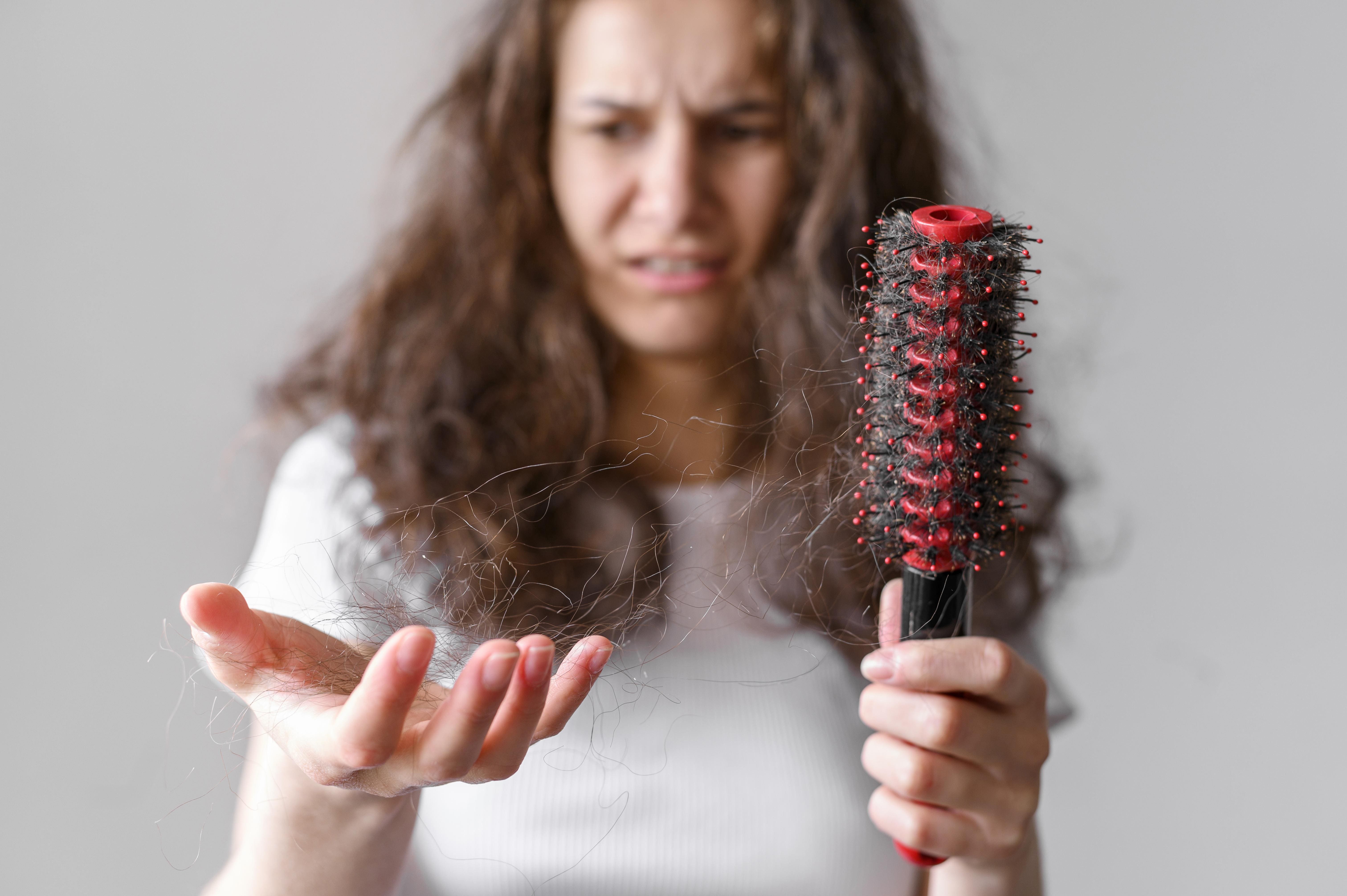
Hair Loss (Alopecia)
Hair Loss (Alopecia)
Hair loss, also known as Alopecia, can occur for a variety of reasons and in many forms. It is common for hair to thin naturally with age, especially after the age of 50, affecting both men and women. While genetic predisposition and hormones—particularly androgens—are primary causes, other factors include stress, poor nutrition, infections, certain medications, and chemical exposure.
Common Causes of Hair Loss
Prevention Tips
To prevent fungal scalp infections:
- Wash your hair regularly, especially after haircuts.
- Avoid contact with infected animals.
- Avoid sharing personal items such as combs or towels.
Hair Care and Management
-
Avoid harsh shampoos and products that cause irritation or excess hair fall. Discontinue use if hair loss worsens.
-
Massage the scalp gently with fingertips—not nails—when washing.
-
Dry hair gently with a towel or air dry; avoid rubbing vigorously.
-
Use a wide-tooth comb to reduce pulling, and comb gently from roots to ends.
-
Avoid tight hairstyles like braids, aggressive backcombing, heat styling, and chemical treatments.
-
Wear hats or avoid direct sun exposure.
-
Quit smoking.
-
Maintain a balanced diet with essential nutrients.
When to See a Doctor
- Continuous or emotionally distressing hair loss
- Sudden or patchy hair loss
- Excessive hair fall while brushing or washing
- Scalp itching, burning, or visible abnormalities
- Suspected scalp infections
Treatment Options
1. Topical and Oral Medications
-
Minoxidil: FDA-approved topical solution (2% or 5%) that stimulates hair growth by enlarging hair follicles. Apply twice daily with gentle scalp massage. Results appear after 4–6 months with peak results after 12 months. Must be used consistently to maintain growth.
Learn more.
-
Finasteride: Oral medication that inhibits DHT (dihydrotestosterone) production. Effective in early stages of male pattern baldness. Not recommended for full baldness or long-term use without doctor supervision due to potential side effects (e.g., impact on the prostate).
2. Corticosteroids
3. Emollients and Hair Nourishment Products
-
Products containing wheat protein or keratin can help thicken hair and improve texture.
4. Hormonal Therapy (For Women)
5. Hair Transplantation
-
Involves moving healthy hair follicles from one area of the scalp to bald or thinning areas. Offers a more permanent solution, but is costly and may require multiple sessions.
 TH
TH EN
EN CN
CN JAP
JAP AR
AR